
Planting a tree is an act of faith in the future. Protecting a sapling is an act of commitment to the present. Both matter equally.
What' We did
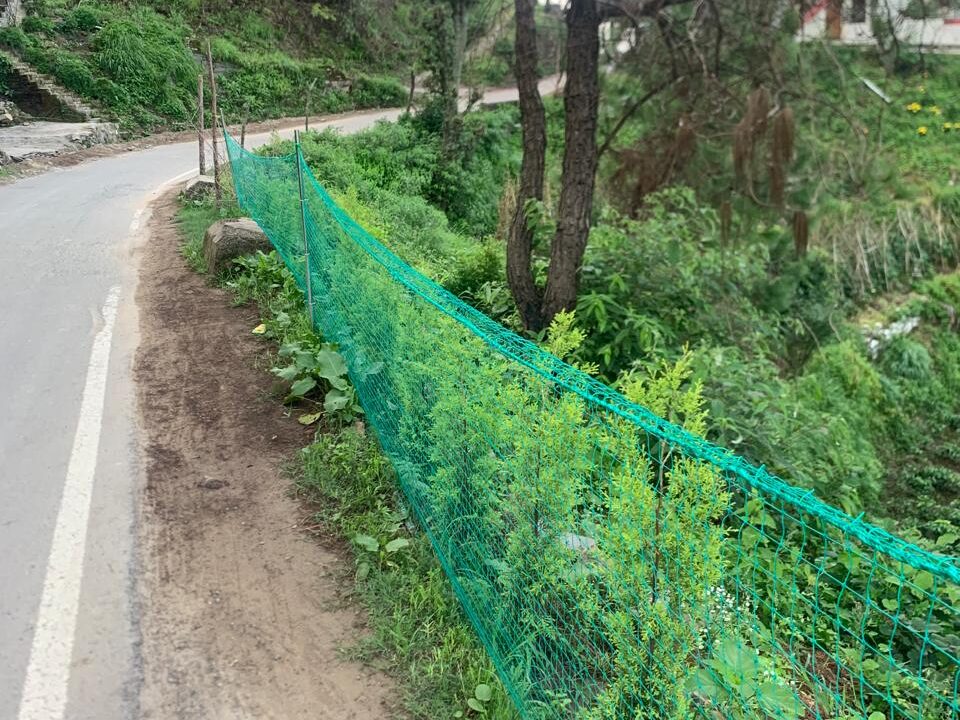
Earth Healers Foundation took a different approach. Every sapling planted by our team was given a protective guard — sturdy frames installed around the young trees to shield them from grazing, trampling, and careless damage.
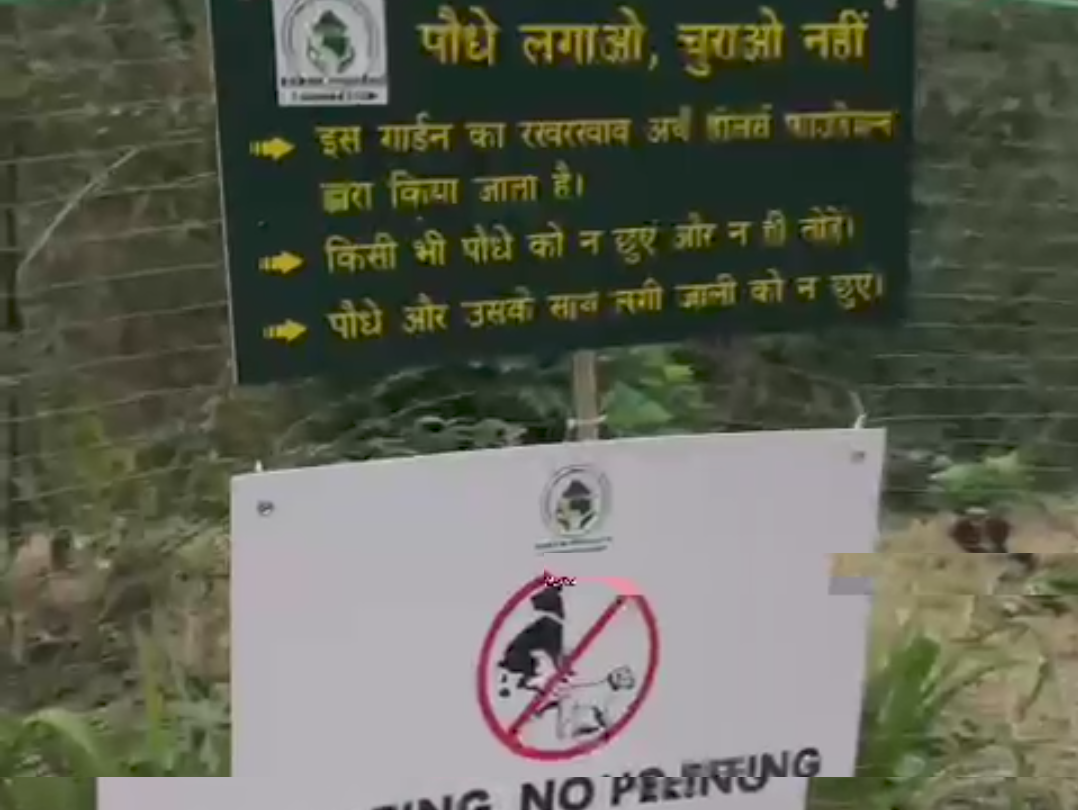
Alongside each guard, we installed awareness boards in both Hindi and English carrying the message: “Paudhe Lagao, Churao Nahi” — Plant Trees, Don’t Uproot Them.The boards served a dual purpose: they named and claimed the saplings as part of our programme, and they made the act of damaging them a visible social transgression rather than an invisible one.
We also trained local volunteers and youth to monitor the saplings, water them regularly, and report any damage.
What's next
We plan to significantly scale up our plantation drive, with a particular focus on native tree species suited to the local climate and soil. We are also working to establish a small community nursery where saplings can be grown locally, reducing dependence on external suppliers and creating local green jobs in the process.