Project Cash for Trash

What if the waste you throw away could put money in your pocket? In Kheel Jasli, we turned that question into a practical reality.
Overview

The Challenge

One of the most powerful barriers to waste segregation is the perception that it is effortful and unrewarding. Why separate your plastic from your food waste, why clean out a glass bottle before discarding it, if the end result is simply more garbage in a bigger pile?


Earth Healers Foundation recognised that the most effective way to change this behaviour was not through guilt or instruction alone, but through a direct, tangible incentive. If dry waste had monetary value — and it does — then residents needed the infrastructure to realise that value.

What We did

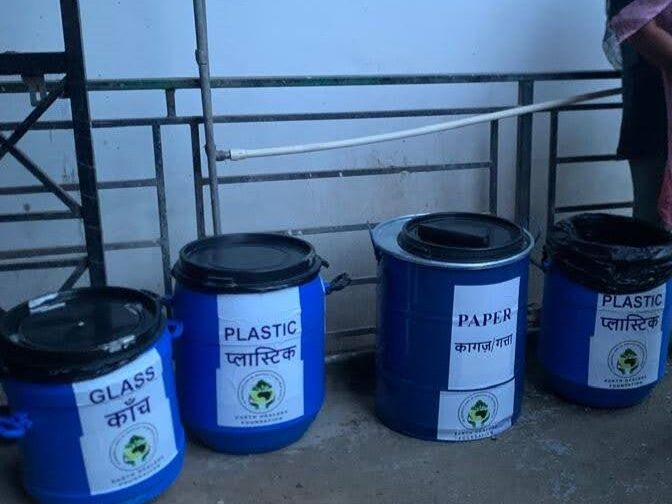
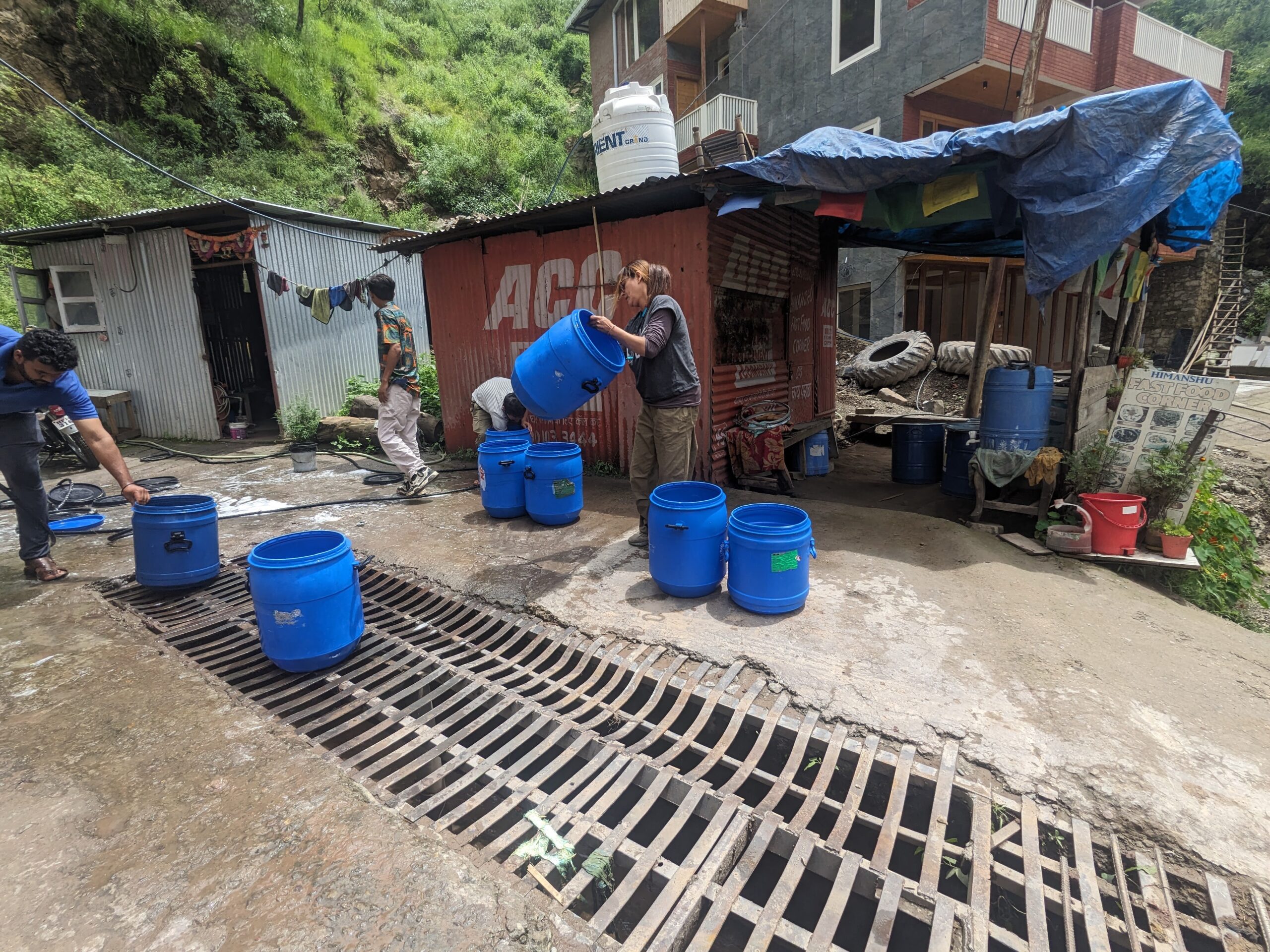
We sourced and placed clearly labelled collection drums at multiple strategic locations across Kheel Jasli — separate drums for plastic, glass, paper, and metal. Each drum was marked in Hindi and English with the type of material it was designed to receive.

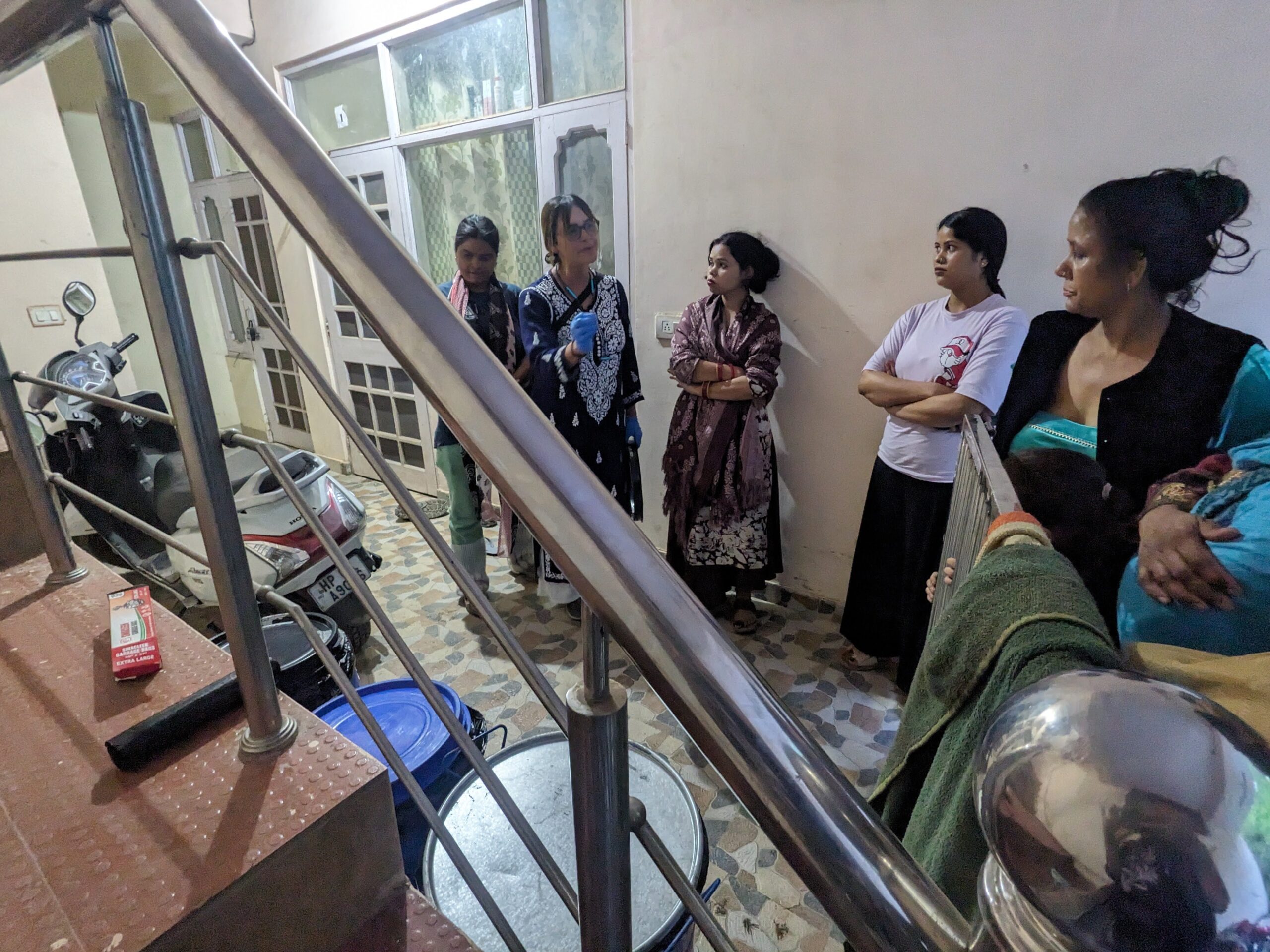
Alongside the physical infrastructure, we conducted awareness sessions explaining the concept of dry waste as a resource: that plastic bottles, glass jars, metal tins, and paper could all be sold to scrap dealers, and that by segregating and depositing their dry waste, residents were not just keeping their village clean — they were generating income. The programme was positioned not as an environmental burden but as an economic opportunity.

Impact & Current status

The Cash for Trash approach has been an effective behaviour-change interventions. The combination of convenient infrastructure and a clear financial incentive has motivated households that resisted earlier awareness campaigns to actively participate in segregation. 

What's next

We plan to expand the number of collection points across Kheel Jasli and introduce the programme in Kheel Barser. 

Related posts

Scroll to Top