
The most important step in solving a waste problem happens before the garbage leaves your house. Teaching people that truth, one household at a time, is the foundation of everything else we do.
What We did
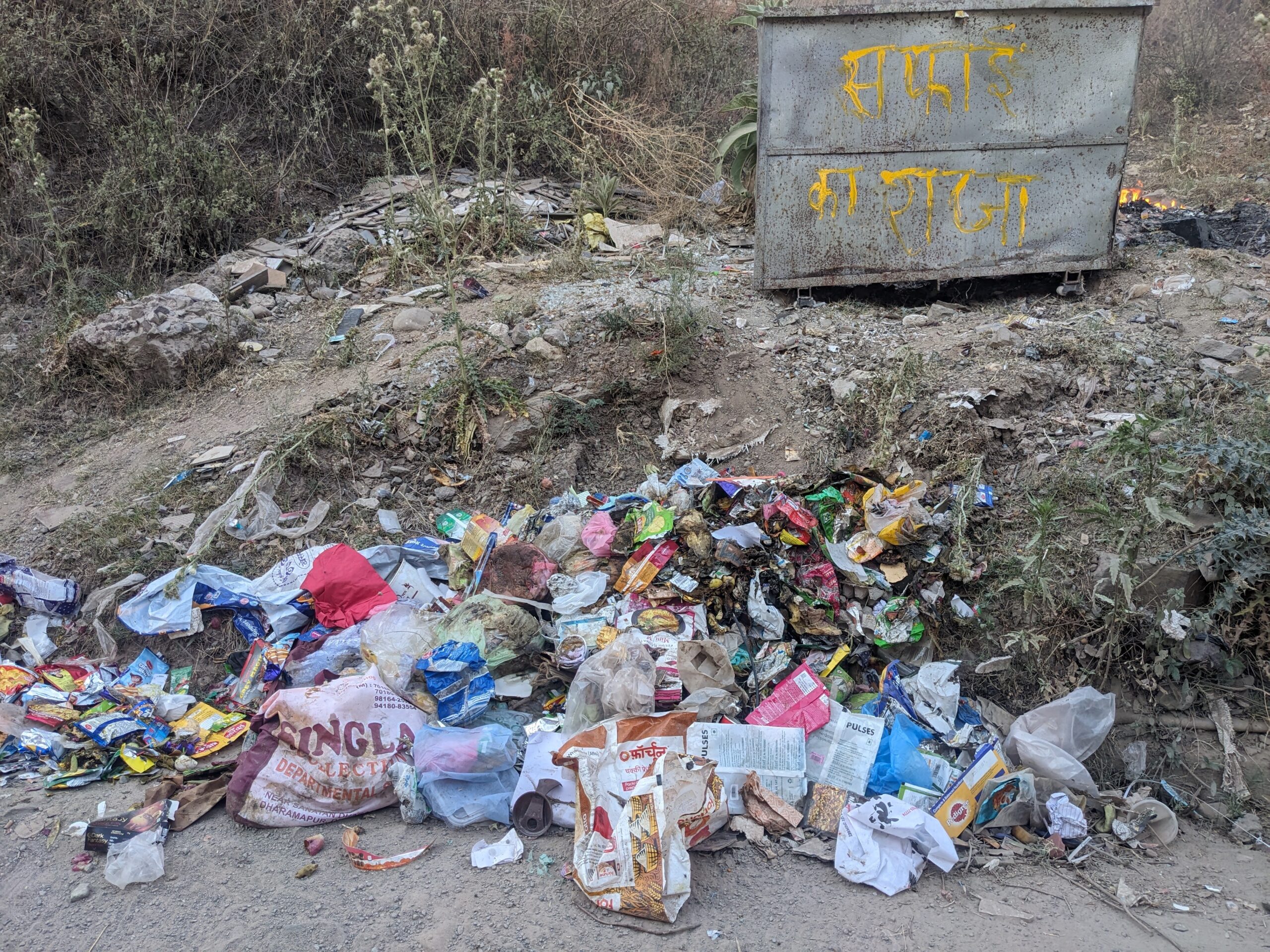
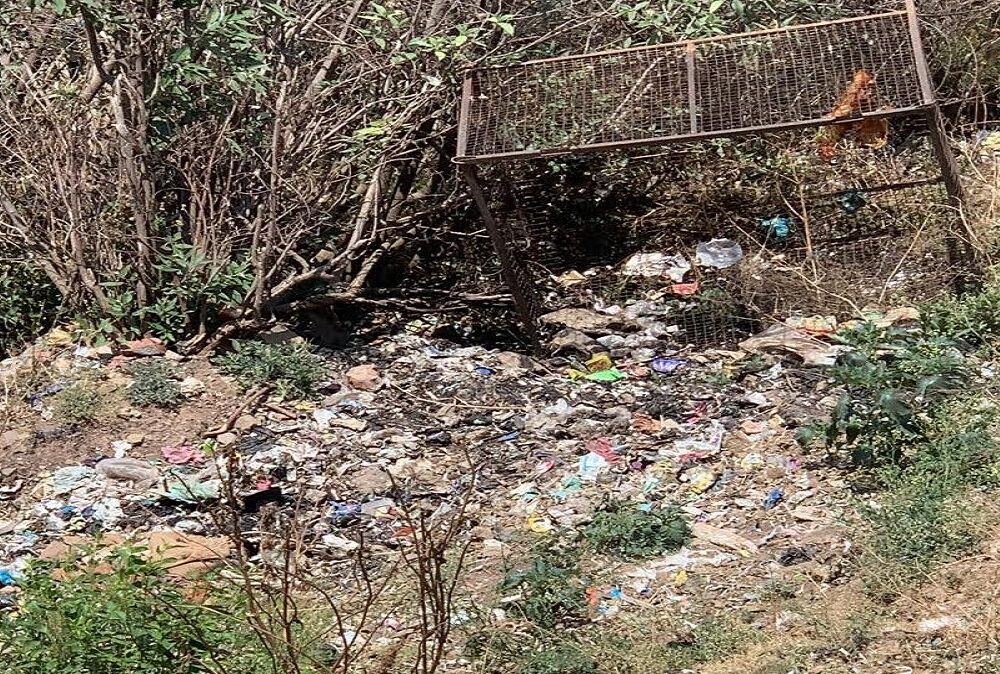
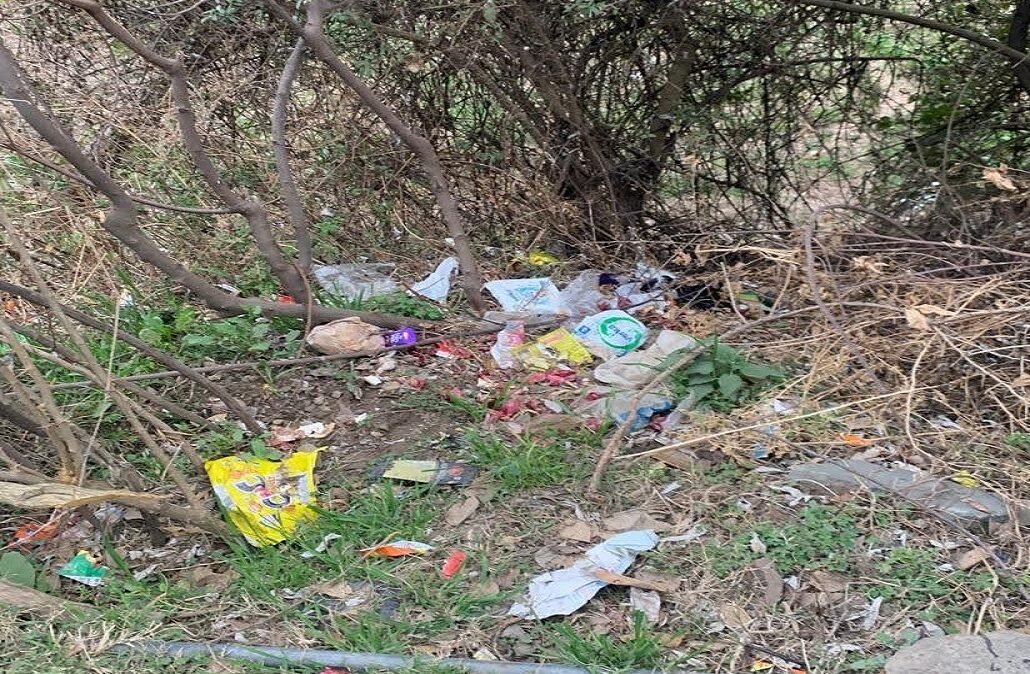
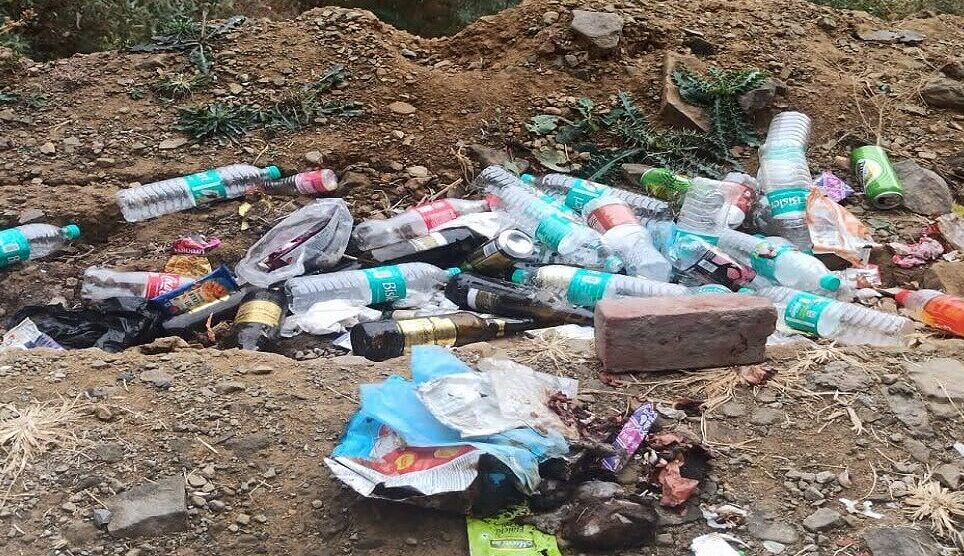
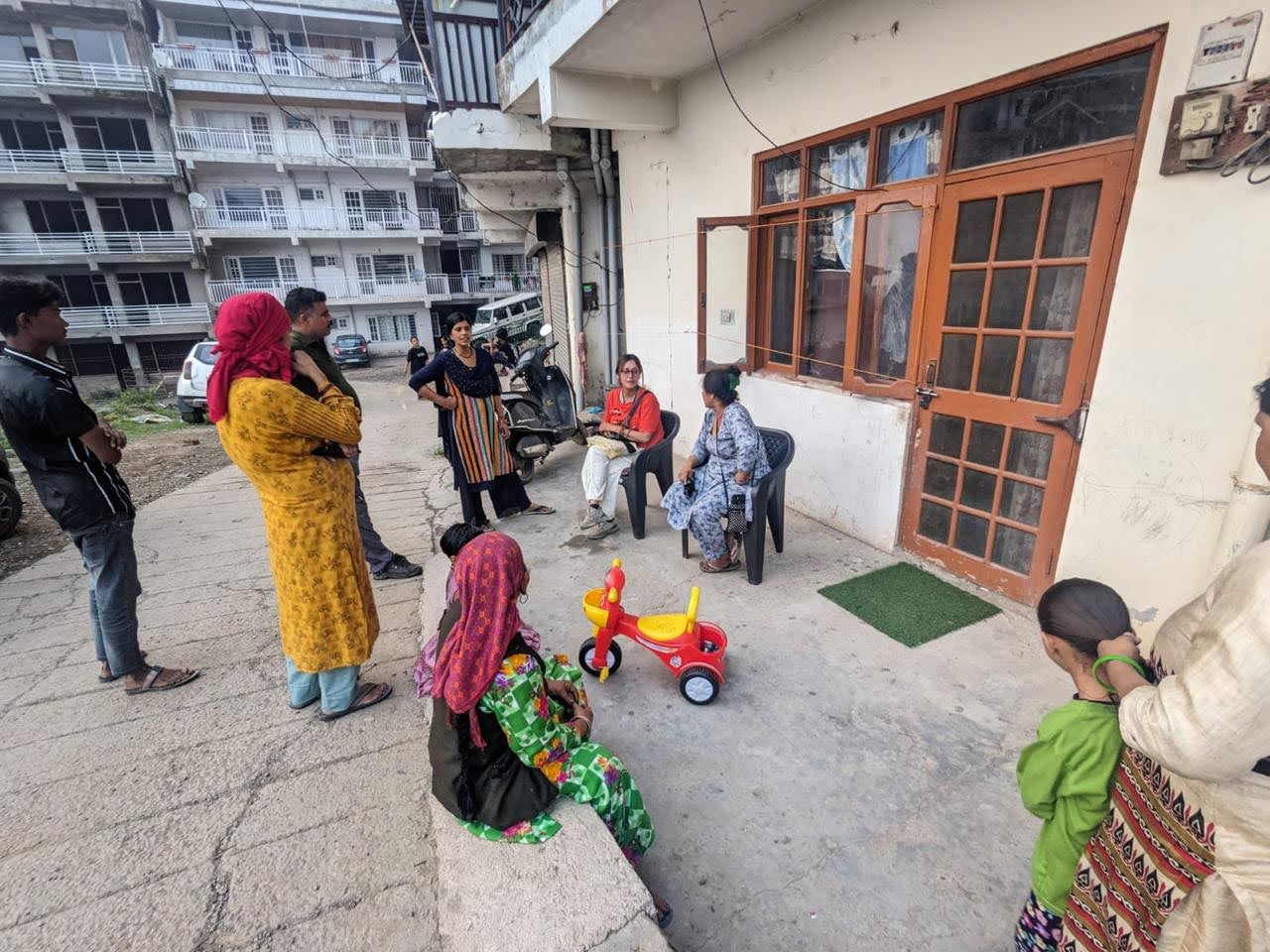
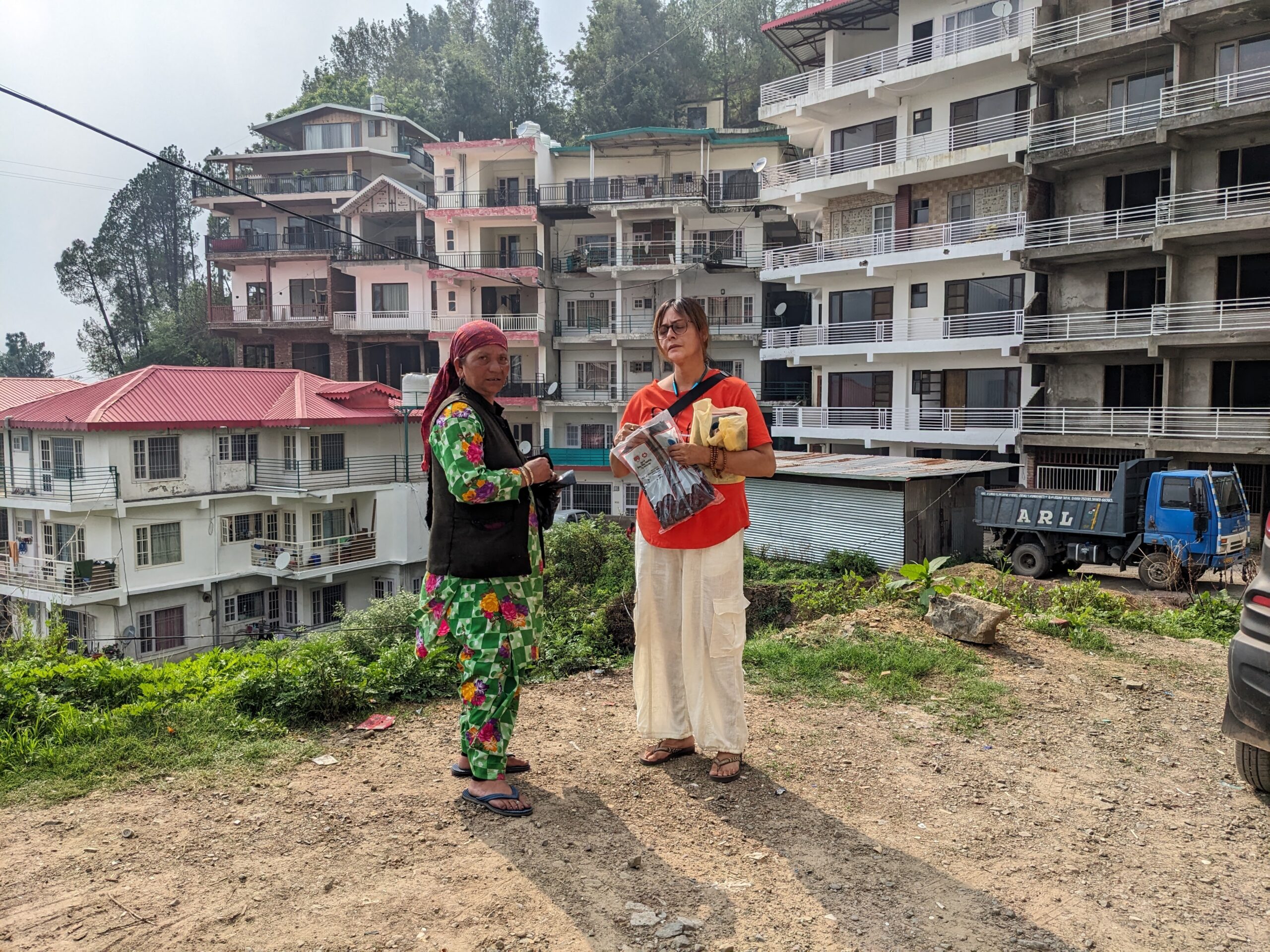
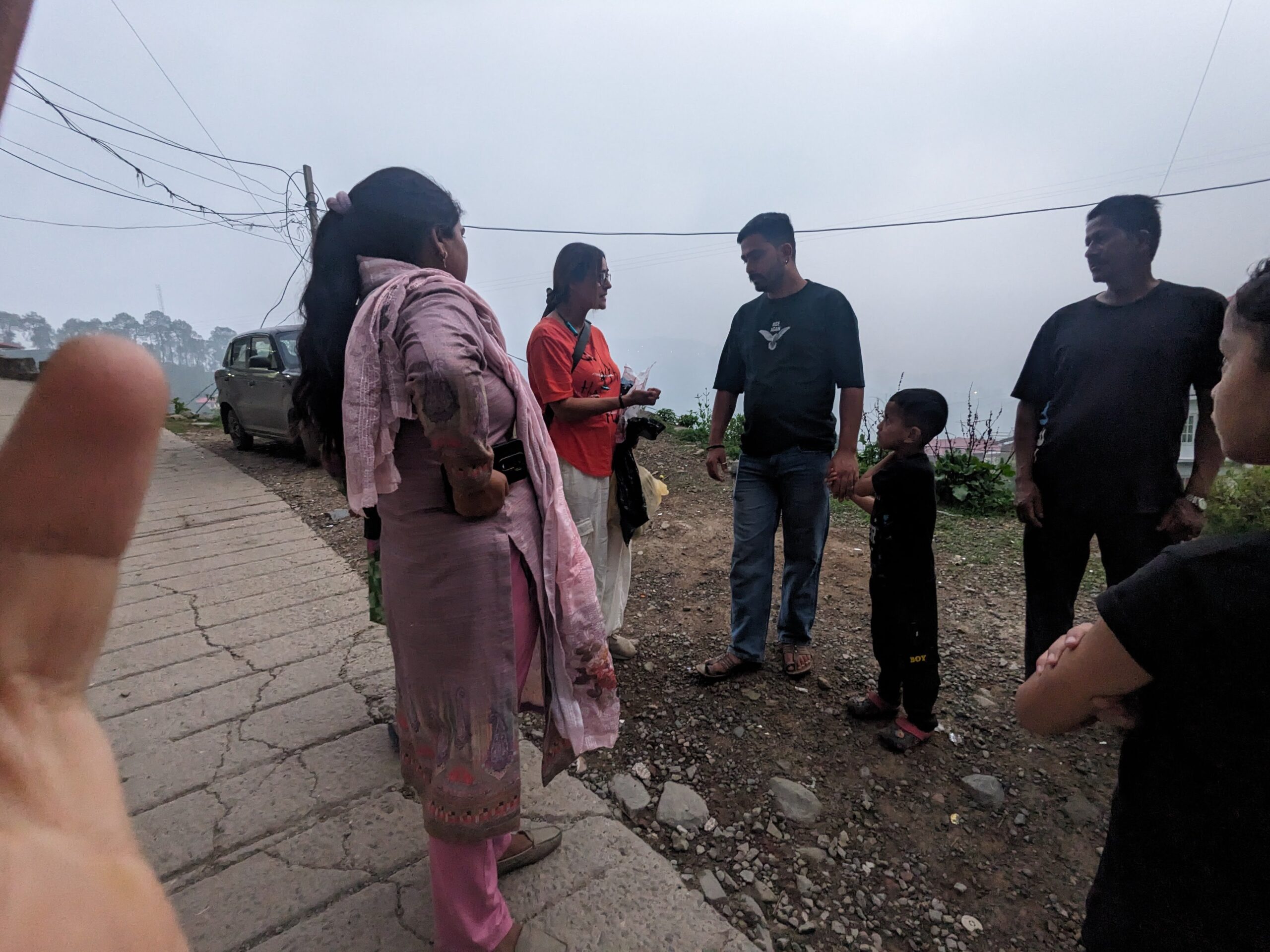
Dr. Priya Saklani and the Earth Healers Foundation team went door to door across Kheel Jasli — visiting every household, shop, and homestay to conduct practical, conversational education sessions on waste segregation. The sessions were not lectures. They were discussions: understanding what each household currently did with its waste, identifying the barriers to change, and providing specific, actionable guidance on what to do differently.
We explained the difference between wet waste (food scraps, organic matter), dry waste (plastic, glass, paper, metal), and hazardous waste — and, importantly, we addressed menstrual waste management at source, a topic rarely discussed in public health education in rural settings but critically important for the dignity and safety of women and girls.To remove the barrier of unavailability, garbage bags were distributed free of charge to the households most in need — ensuring that the desire to segregate was not blocked by something as simple as not having the right containers.
What's next
Source segregation education will be an ongoing, evolving programme — revisiting households that were reached in the first round to reinforce habits, reaching new households as our programme expands to Kheel Barser and beyond, and eventually working to integrate segregation education into the curriculum of local schools.