Sustainability

Sustainable measures — closing the loop so the valley can sustain itself.

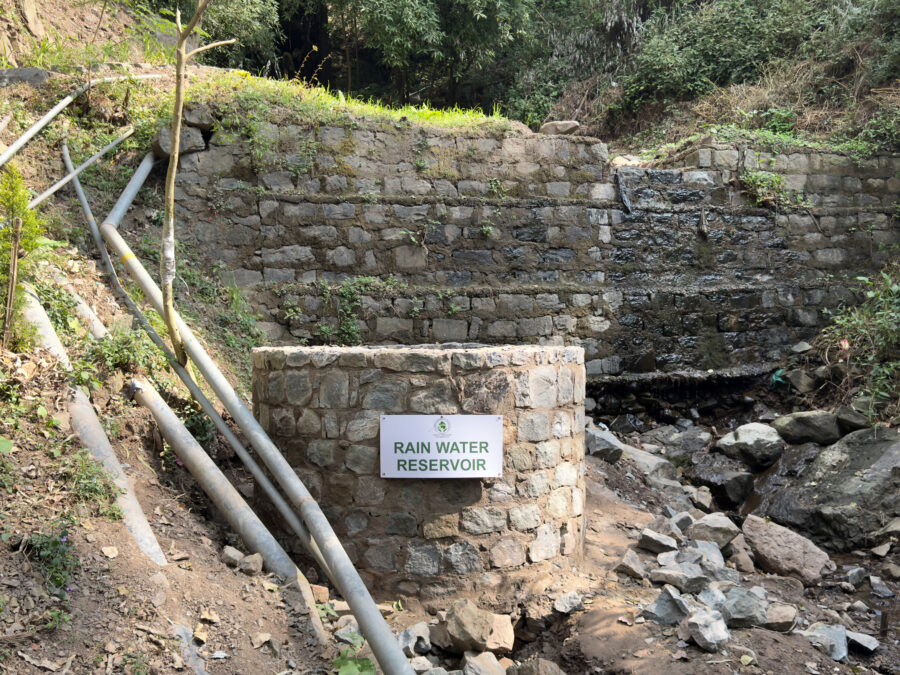
A restored garden needs water. A living ecosystem generates organic waste. Chapter 6 closes the loop — building the on-site systems that allow The Healing Valley to sustain itself, season after season, without dependence on anything from outside.
Overview

The Challenge

Kheel Jasli's rainfall is seasonal and increasingly unpredictable. During the dry months, young plantings require regular watering — but carrying water to a hillside garden from external sources is labour-intensive, expensive, and ultimately unsustainable.


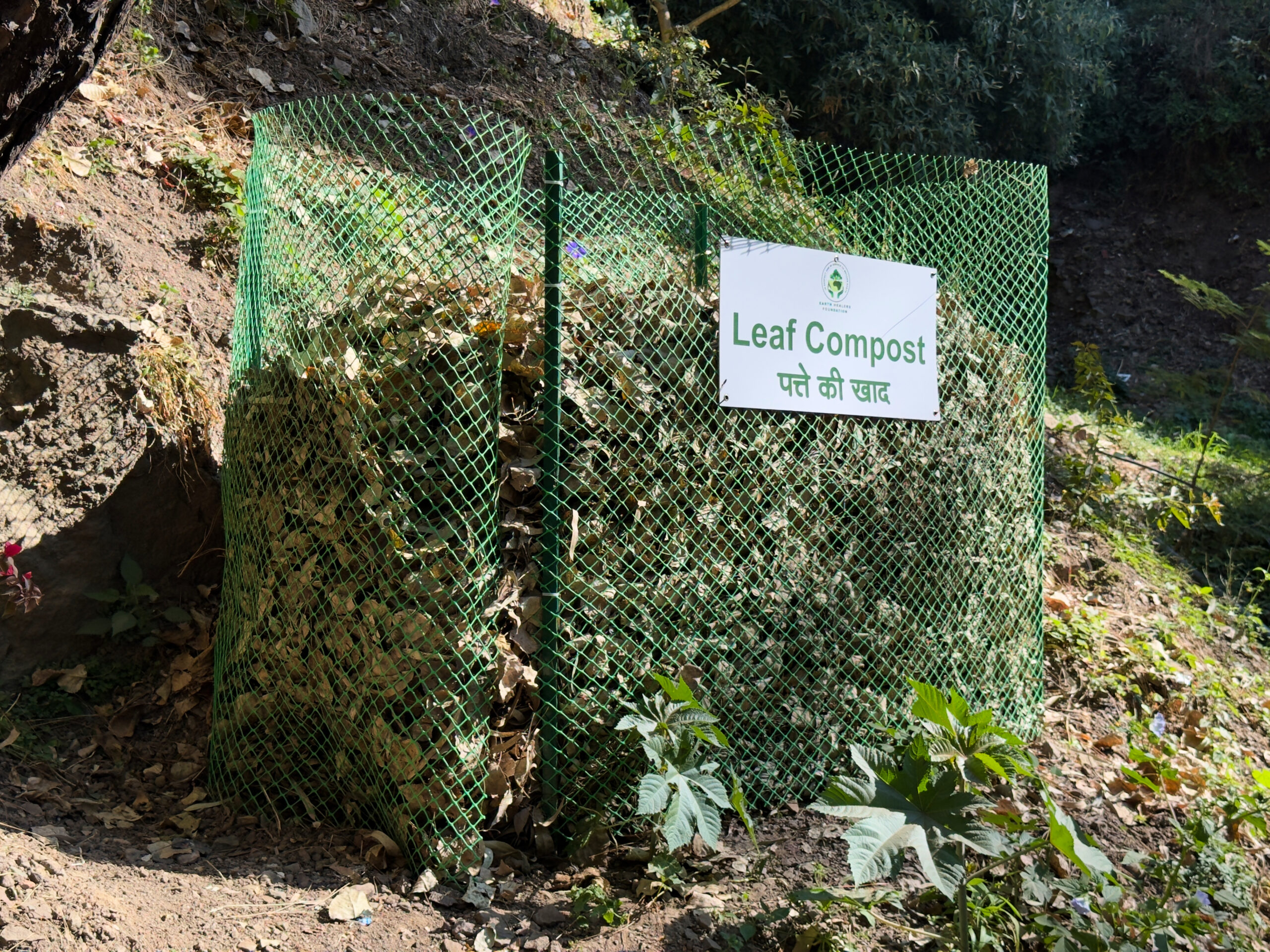
Similarly, a garden that cannot manage its own organic waste will either generate ongoing removal costs or allow material to accumulate in ways that create new problems.


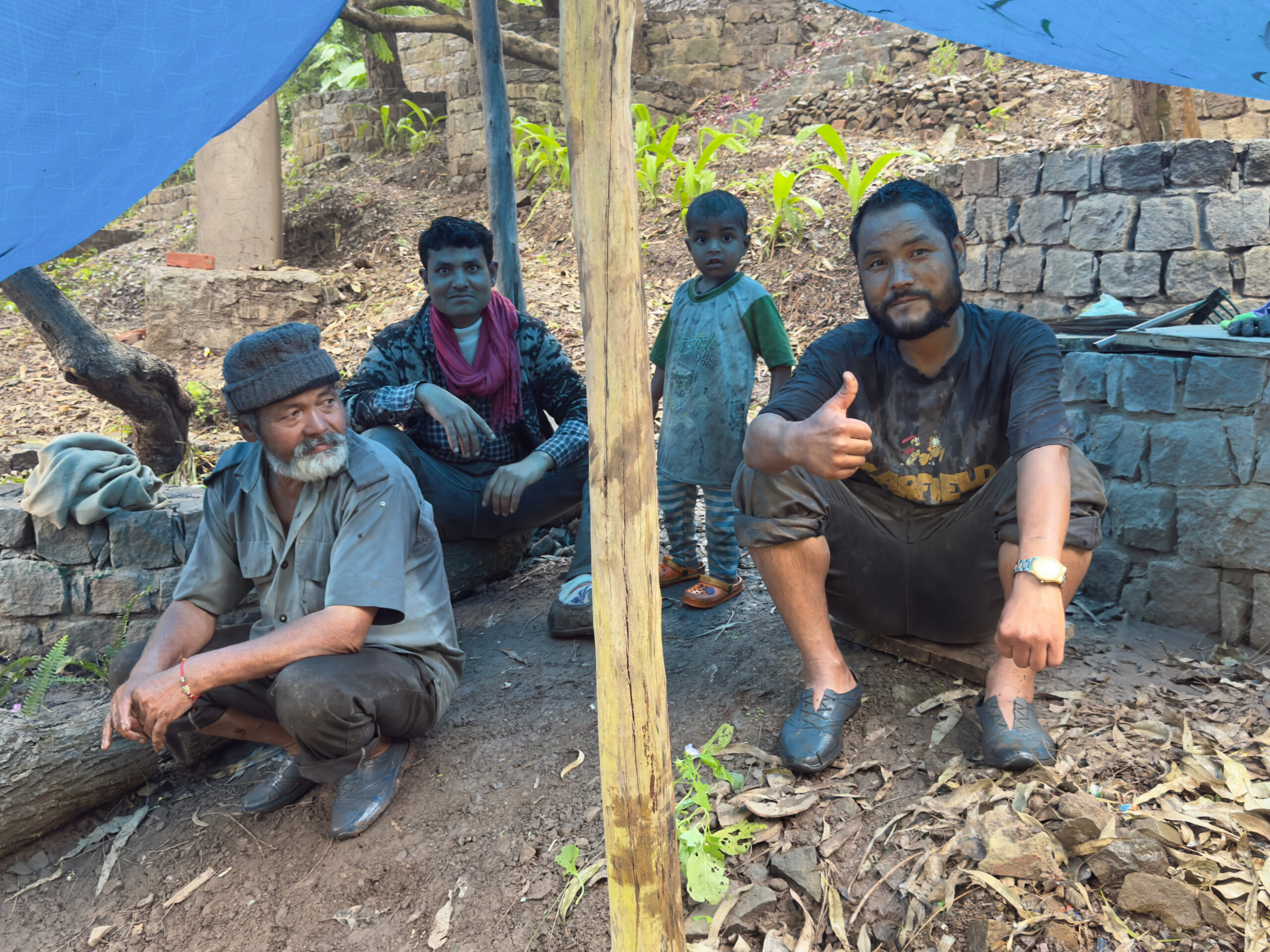
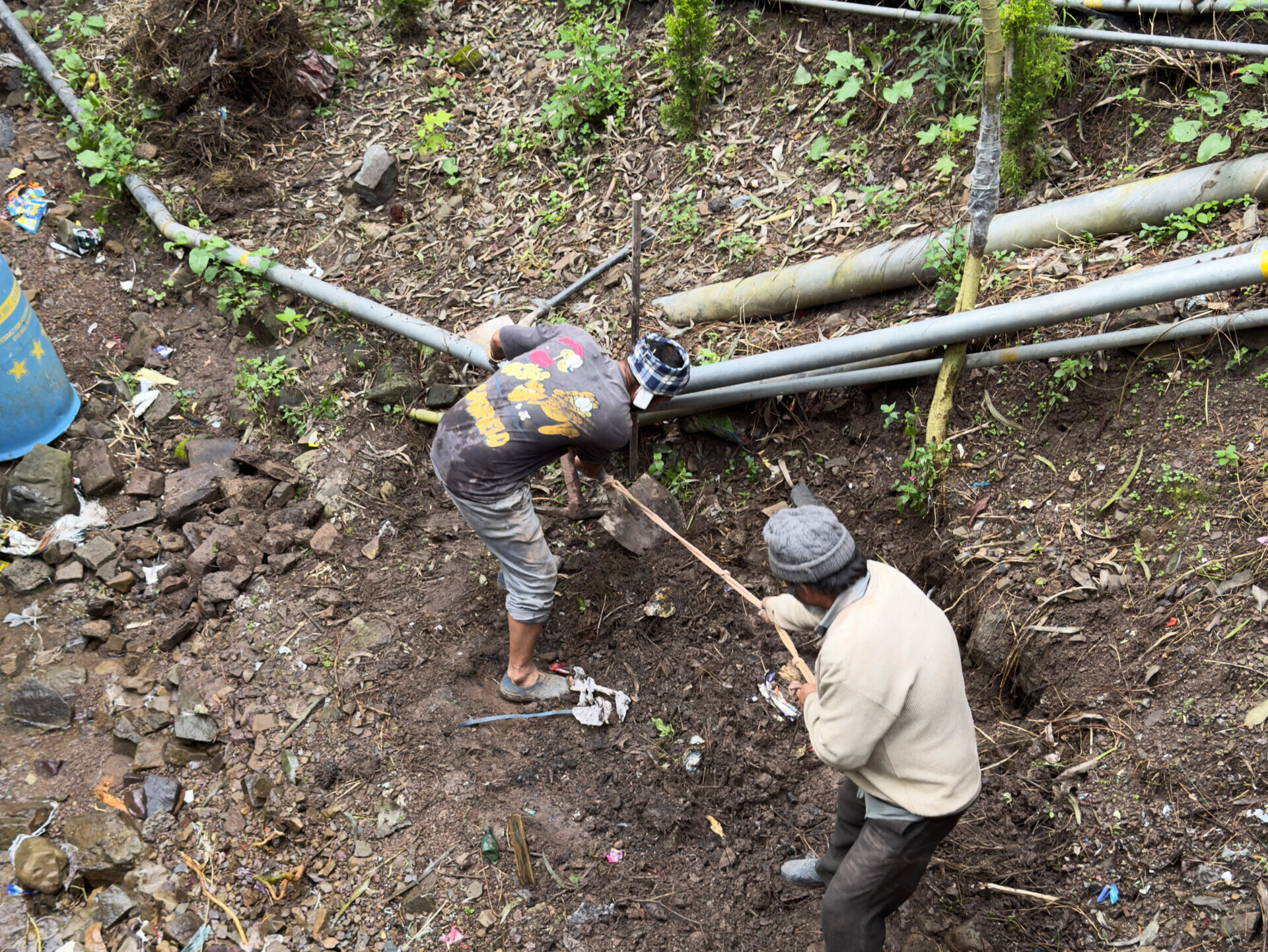
Both systems had to be designed into the site from the outset, not added as afterthoughts — integrated with the stone terracing, the drainage patterns, and the planting layout in a way that made them part of the natural functioning of the valley rather than additions to it.

What We did

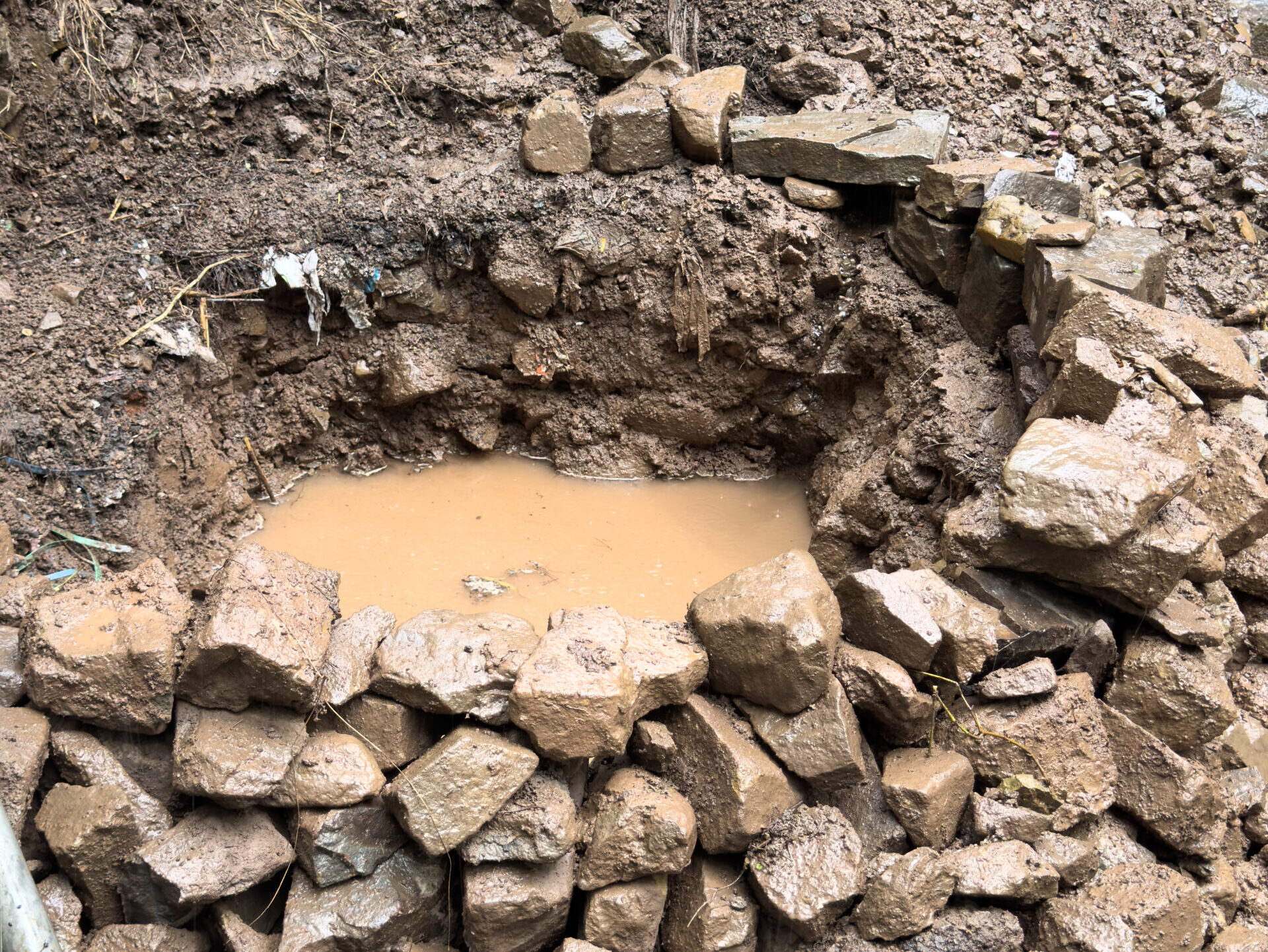
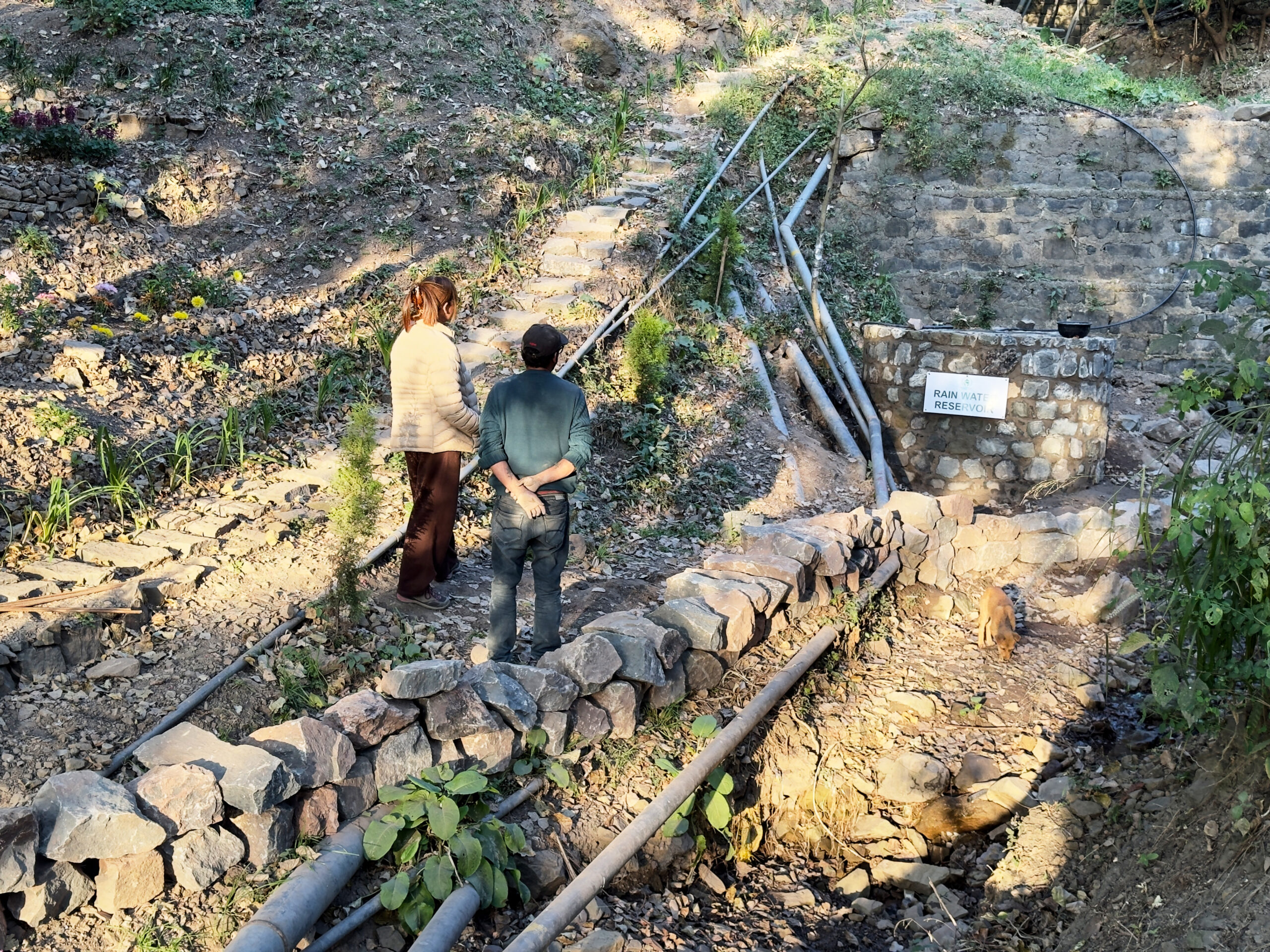
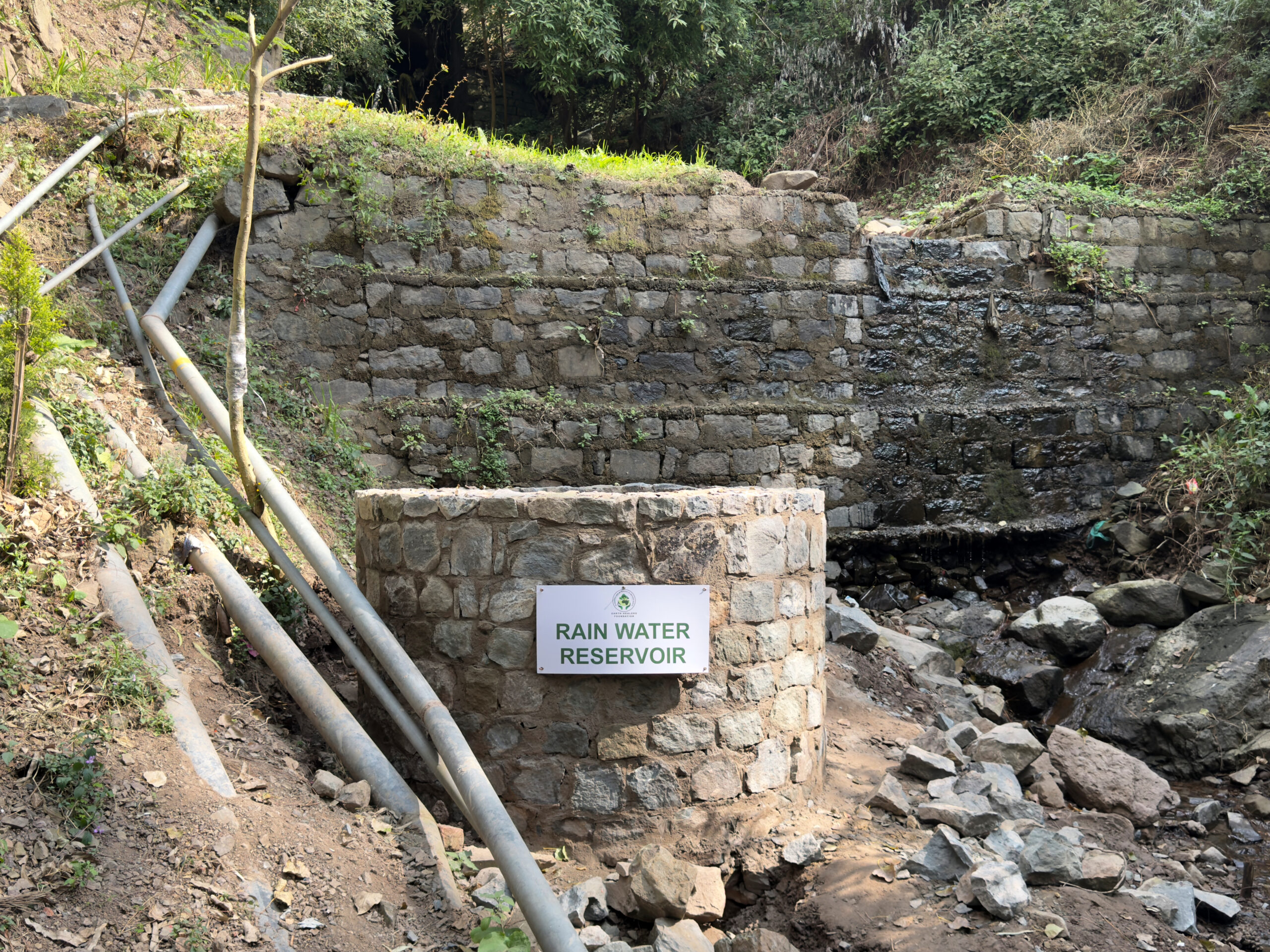
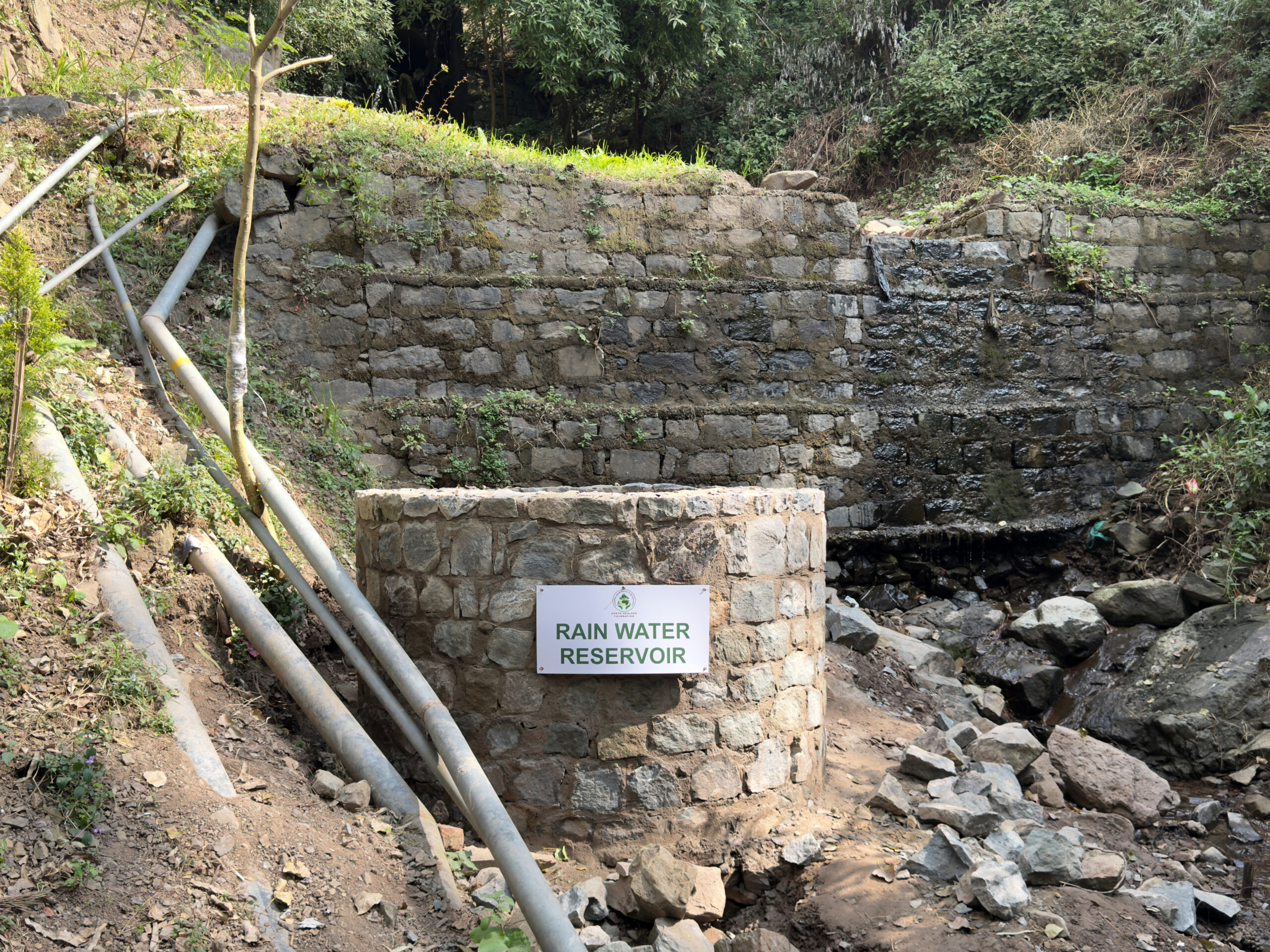
The rainwater well has already proven its value through its first full seasonal cycle — providing reliable irrigation during the dry months at a time when external water would have been both difficult and costly to source.

The leaf compost is visibly improving the quality of the soil in the areas where it has been applied, with plants in composted areas growing more vigorously and flowering more abundantly.The Healing Valley is, for the first time, genuinely sustainable — not dependent on continuous external inputs to survive and thrive.
Impact & Current status

The stone work transformed the cleared site into a structured, purposeful space. The terraces have held through multiple monsoon seasons without significant erosion.


The pathways have made the valley accessible and inviting. The tree reinforcement structures have given the existing trees the protection they needed to recover and thrive.


When visitors walk through The Healing Valley today, the stone work is one of the first things they notice — not because it is showy, but because it feels right.

What's next

The sustainability systems built at The Healing Valley are a model that Earth Healers Foundation will replicate in every green space it creates going forward. Every garden will be designed from the outset with water harvesting and composting infrastructure — because a garden that cannot sustain itself has not truly been restored. The Healing Valley has shown that it can be done, and we will prove it again, across every village we serve.

Before & After
Scroll to Top