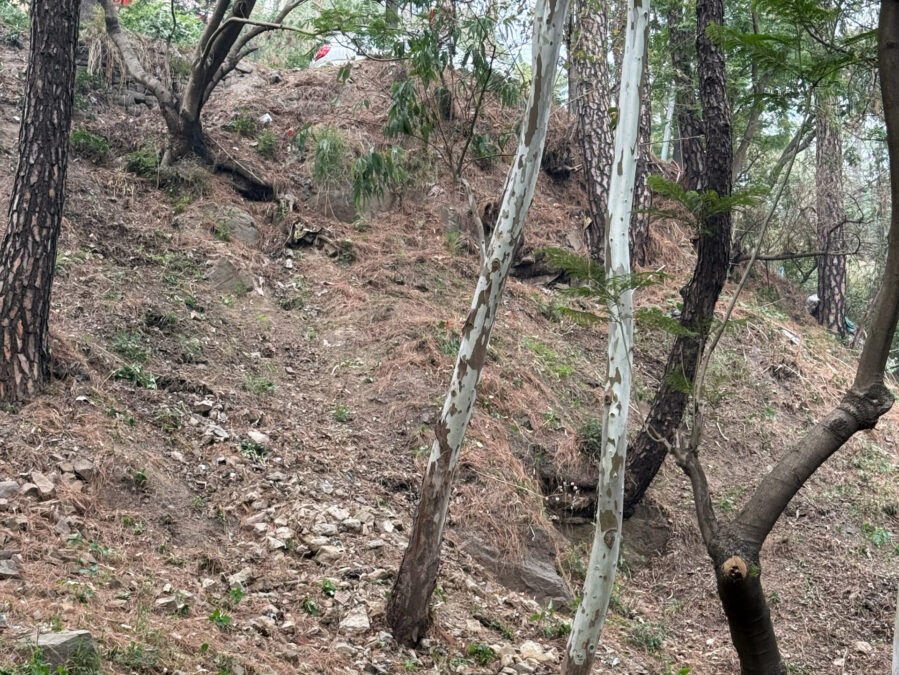
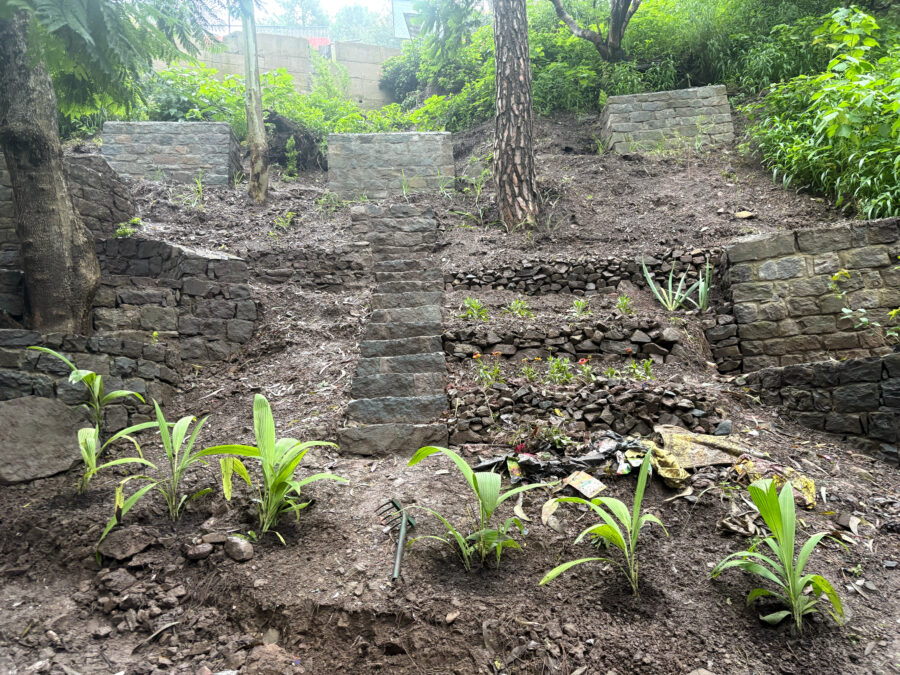
Planting at The Healing Valley was guided by ecological conservation, not just aesthetics. Native Himalayan species were reintroduced to restore the natural balance, along with pollinator-friendly plants that support bees, butterflies, and other essential species. Each plant was carefully selected and placed based on site conditions like sunlight, soil, and existing vegetation. The result is a resilient, thriving ecosystem designed for long-term sustainability.
What We did
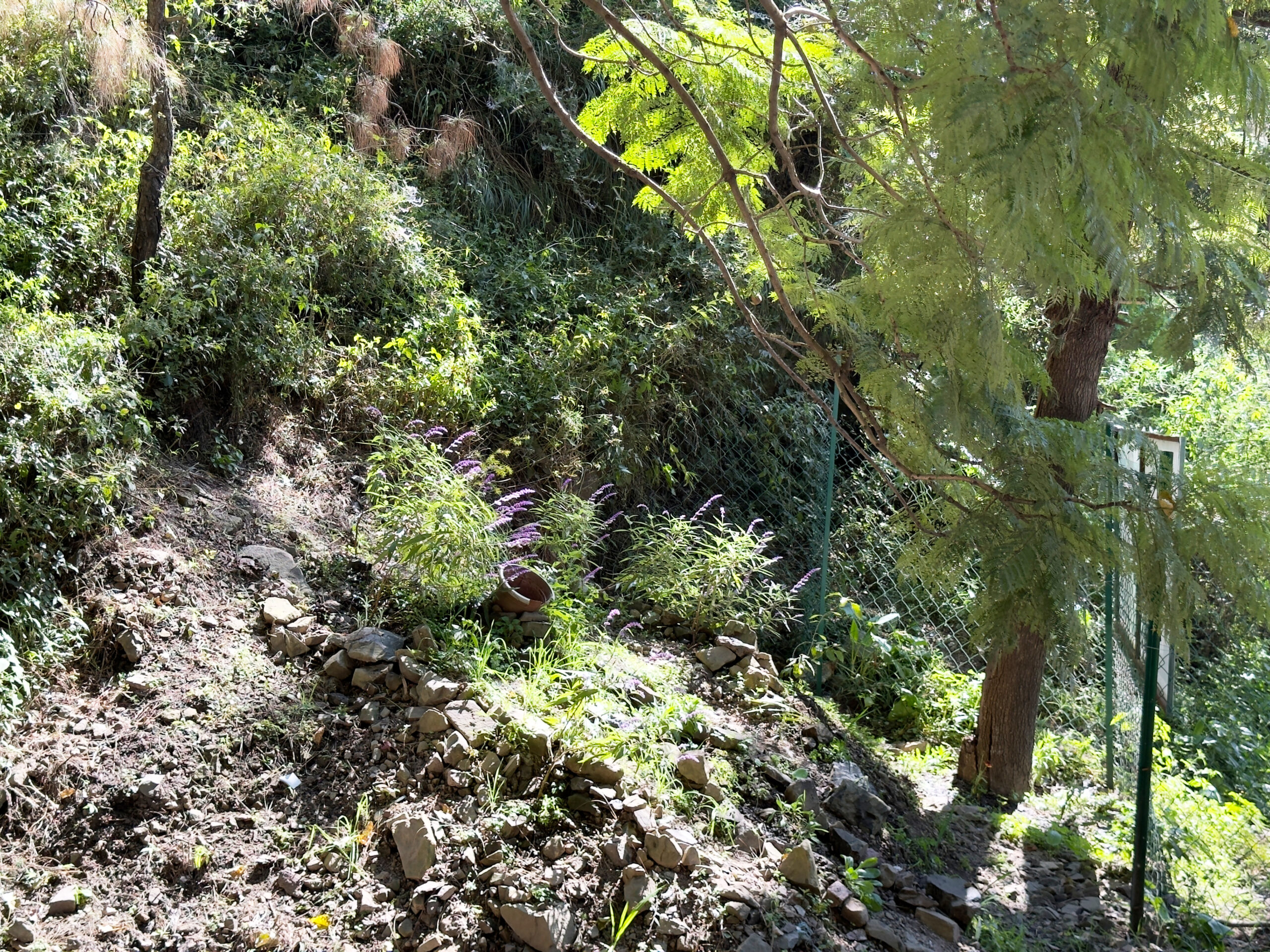
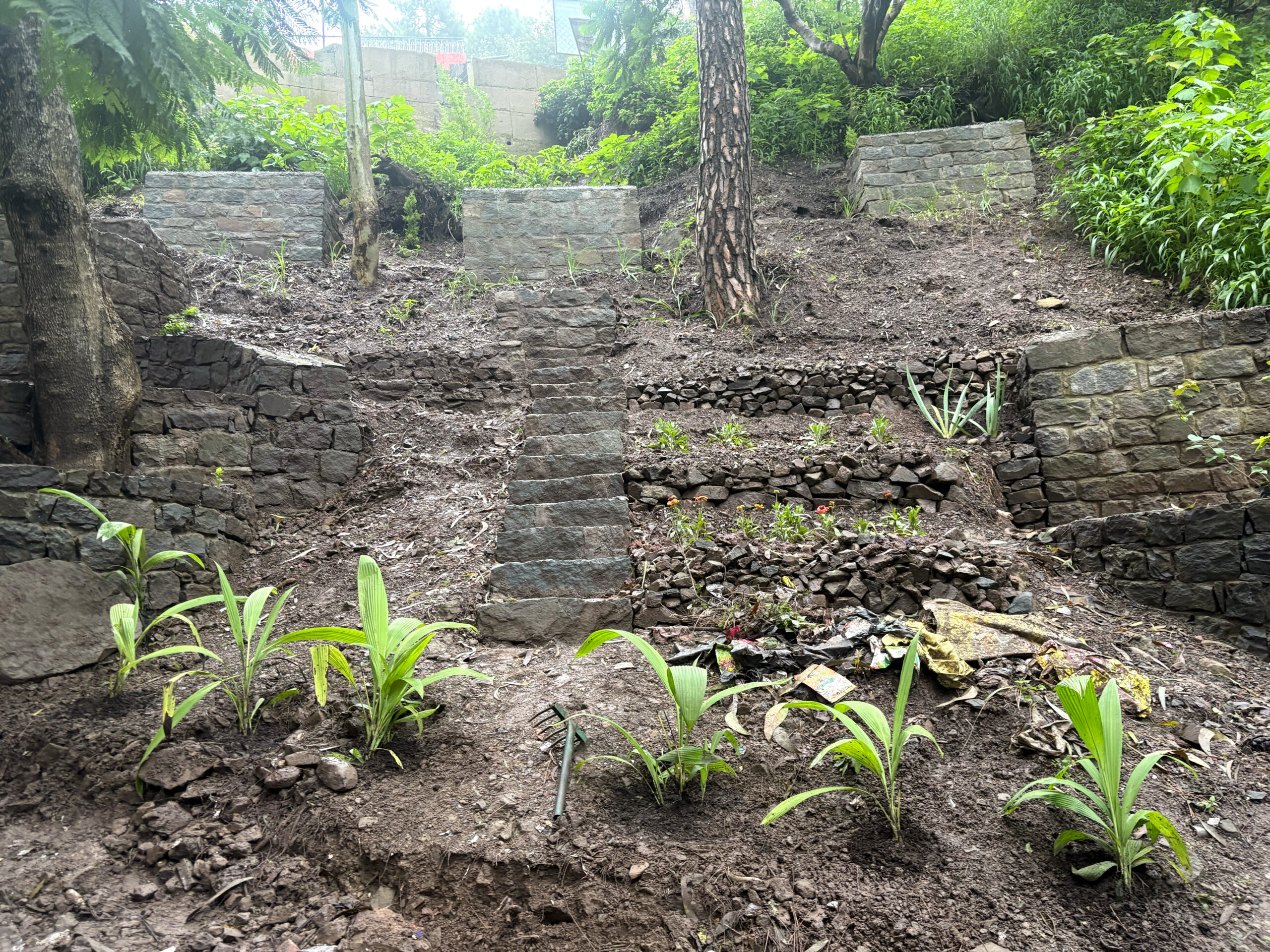
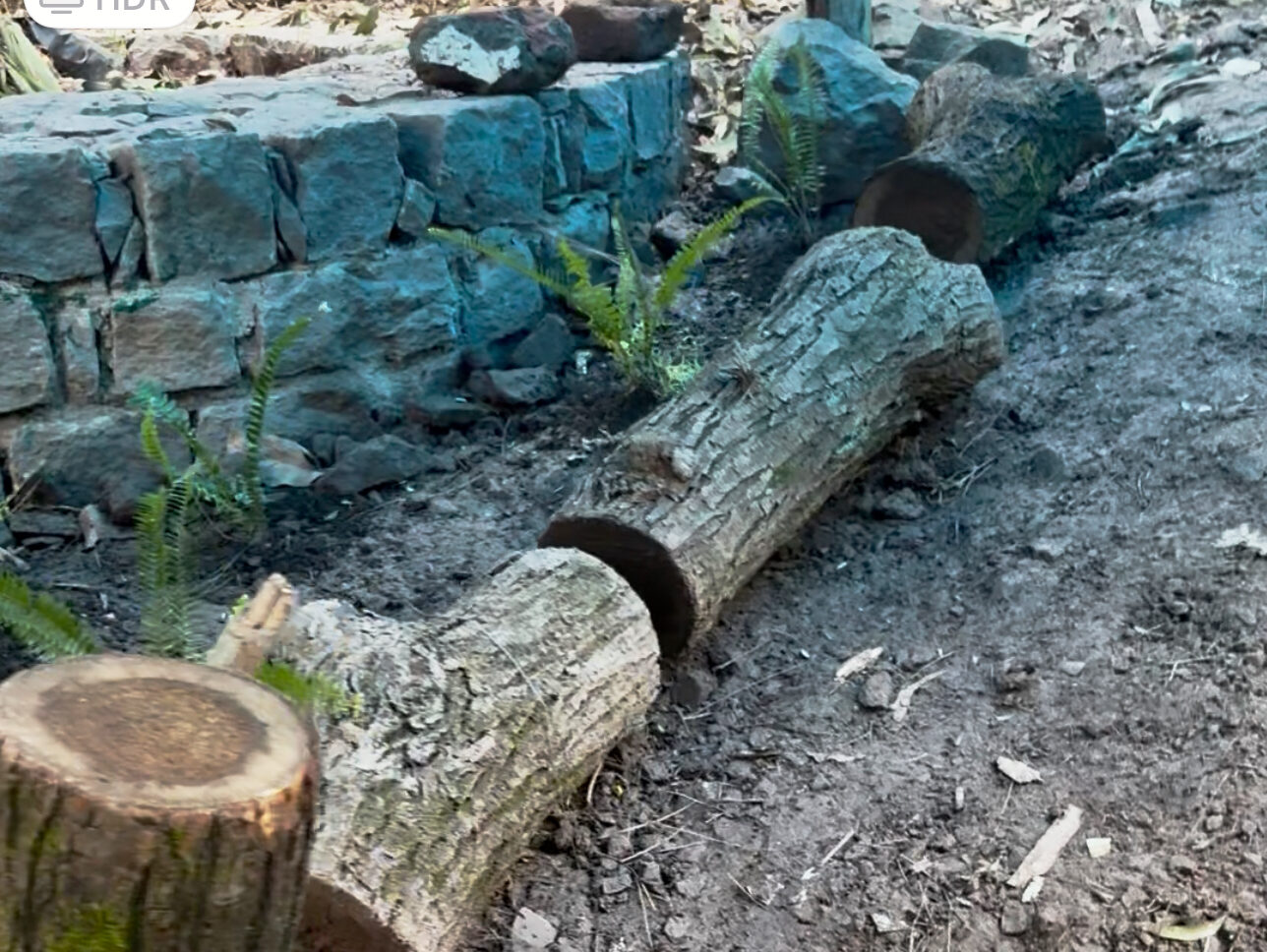
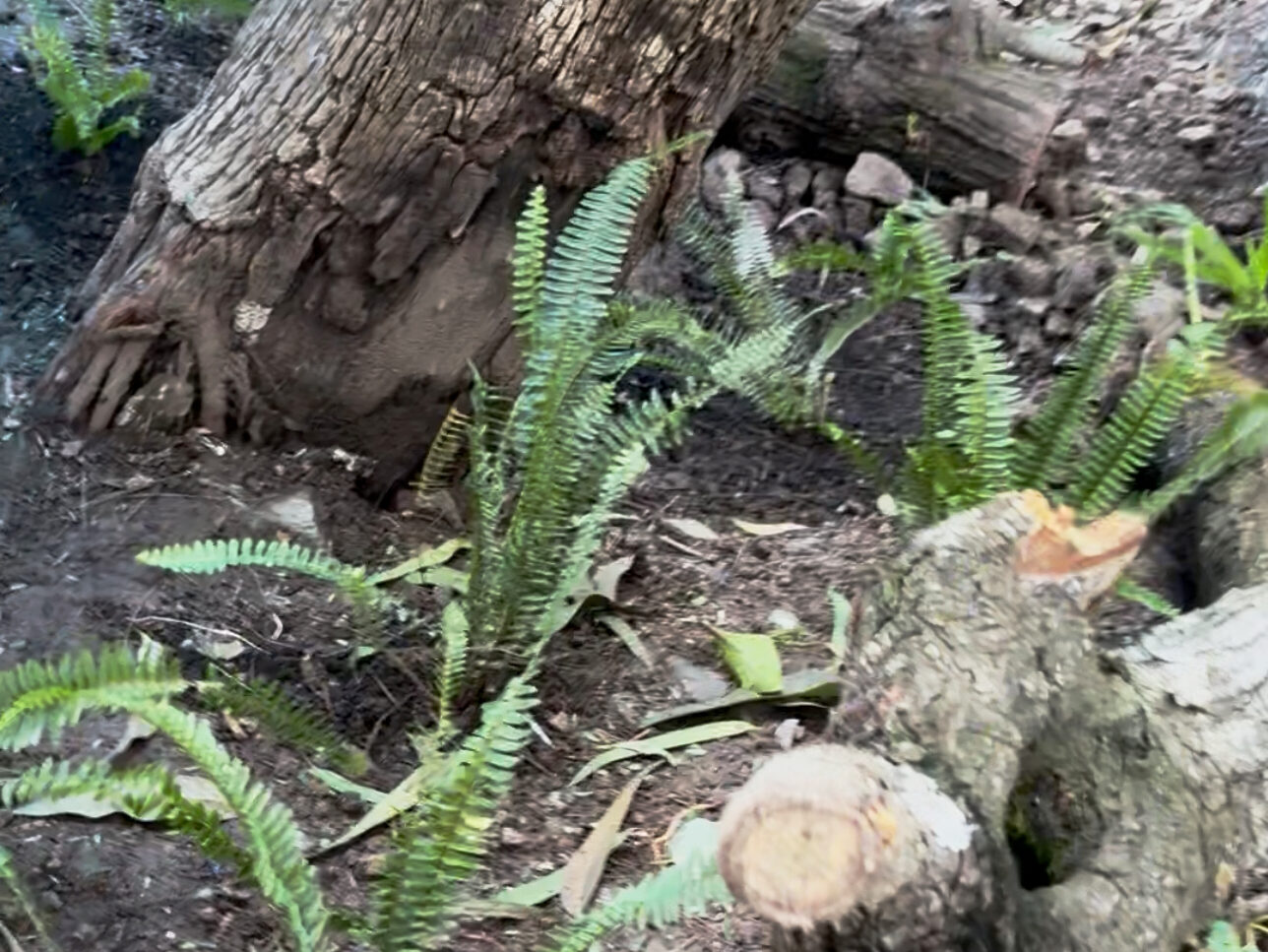
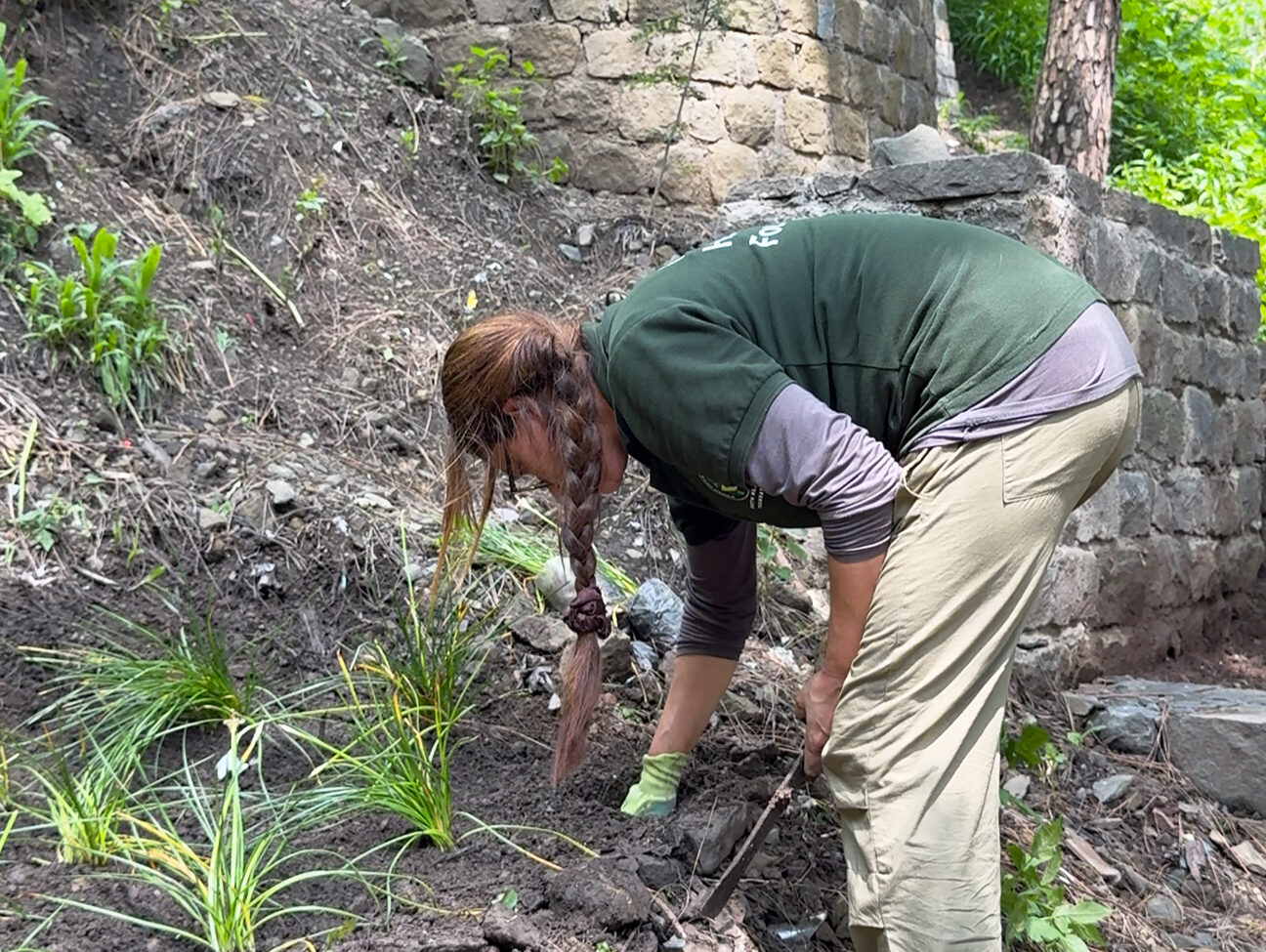
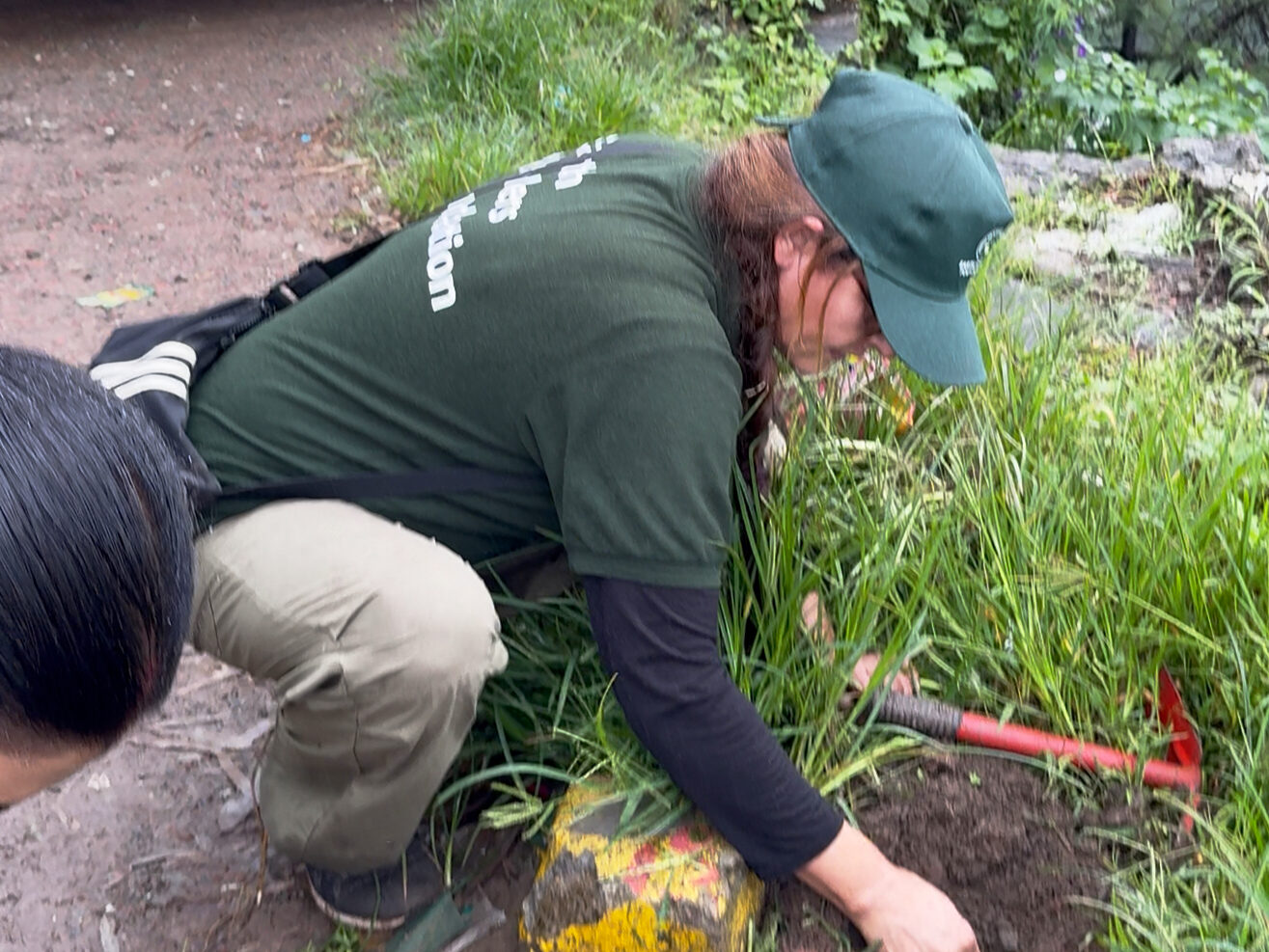
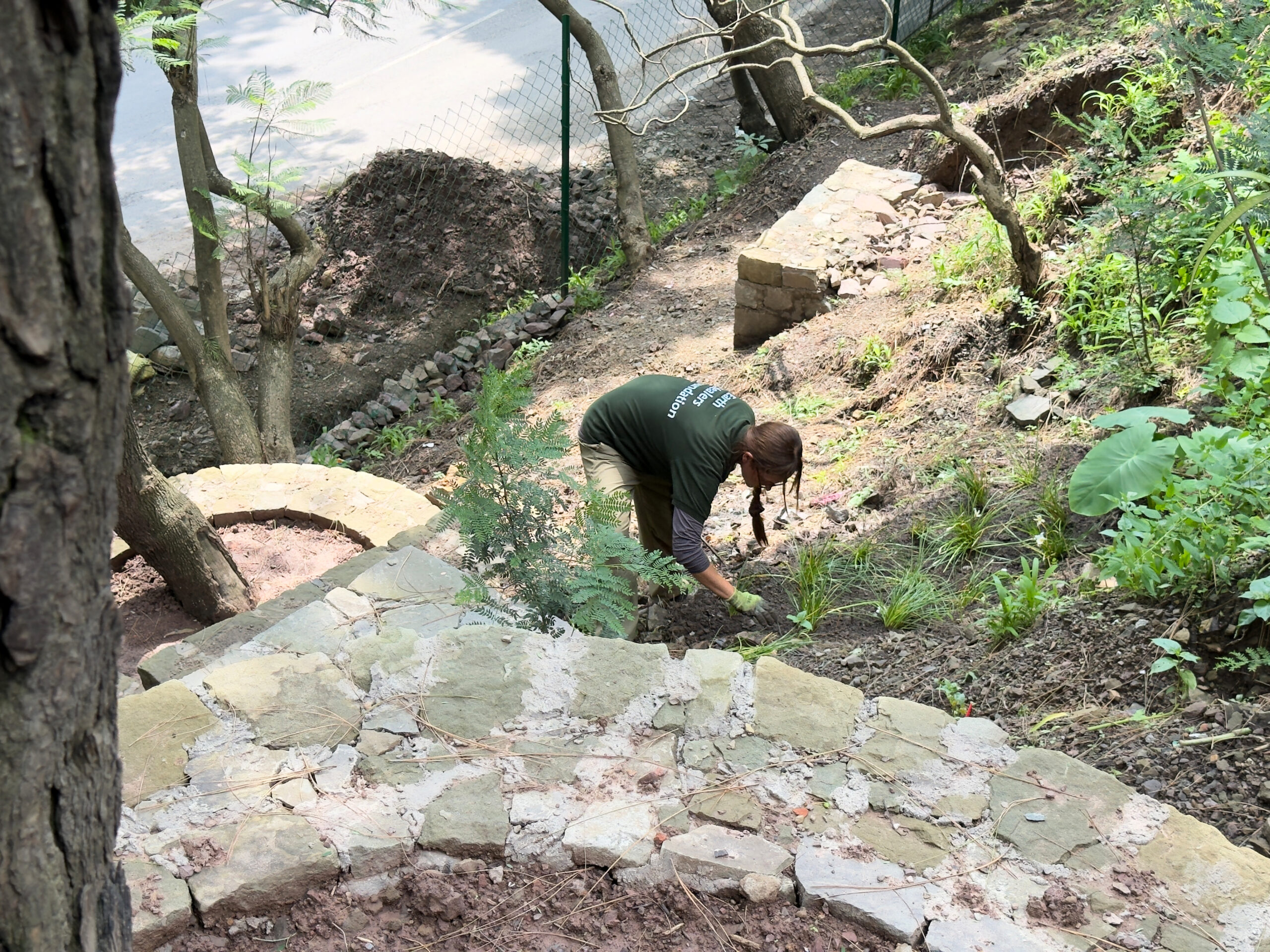
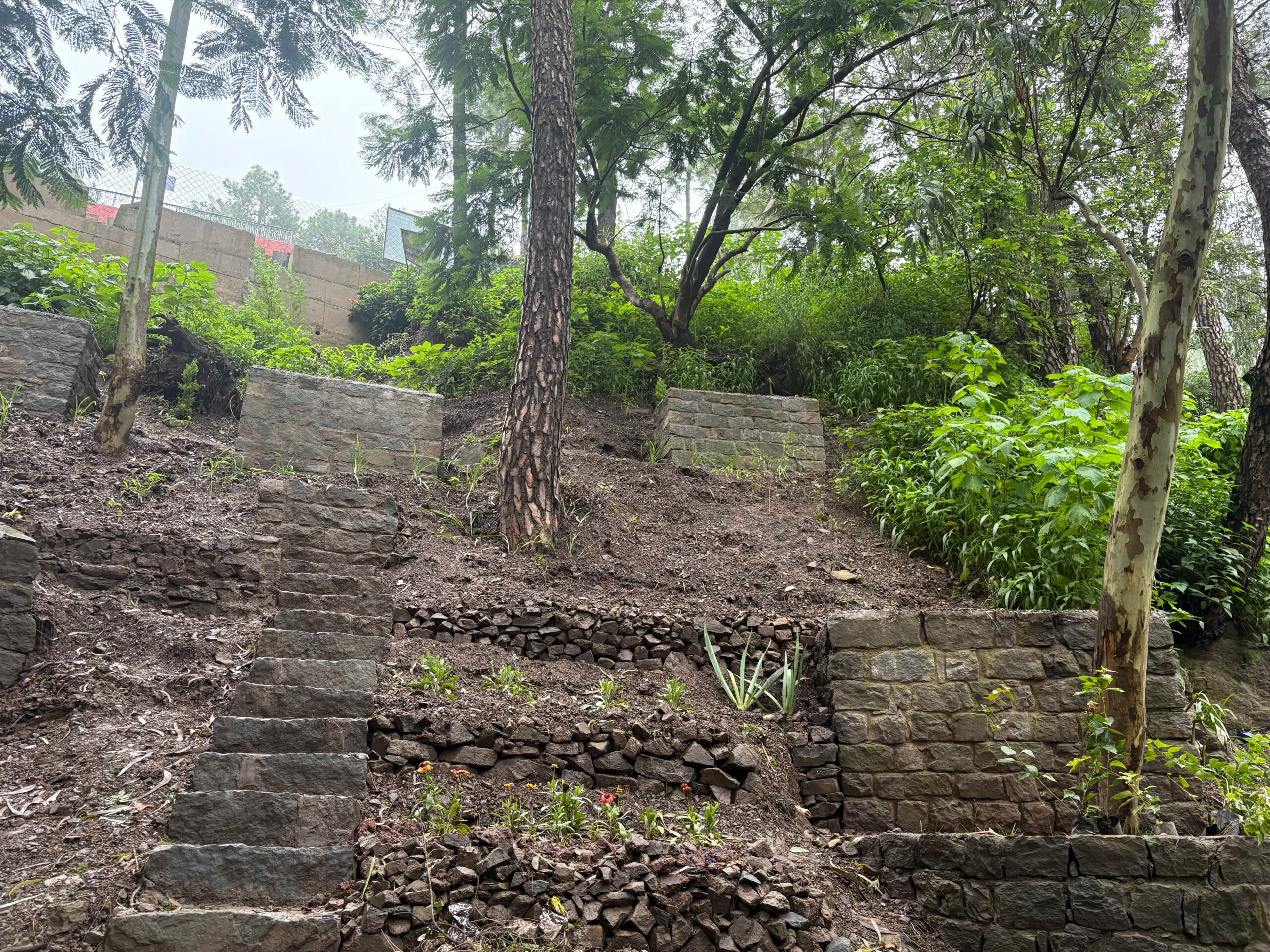
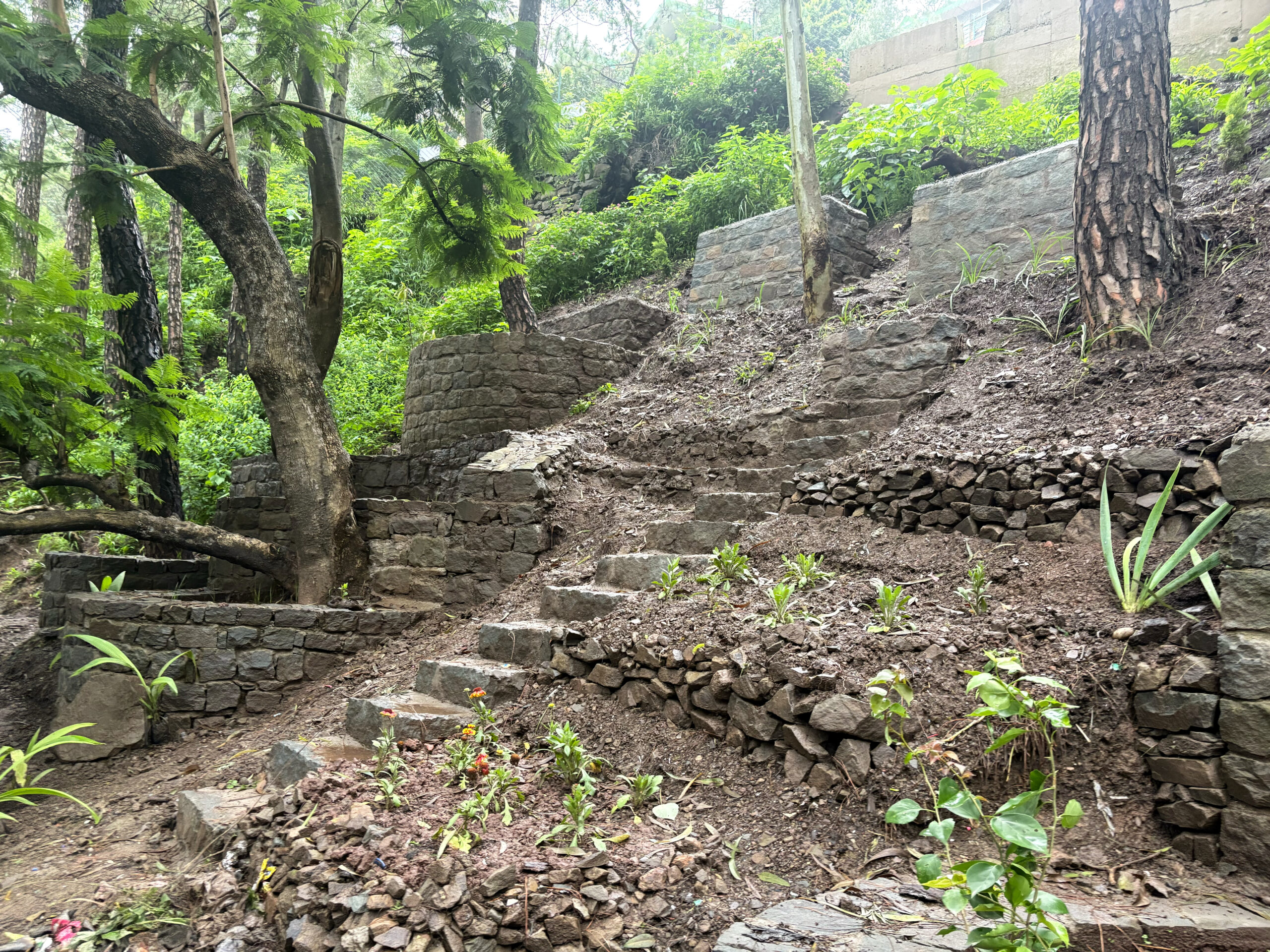
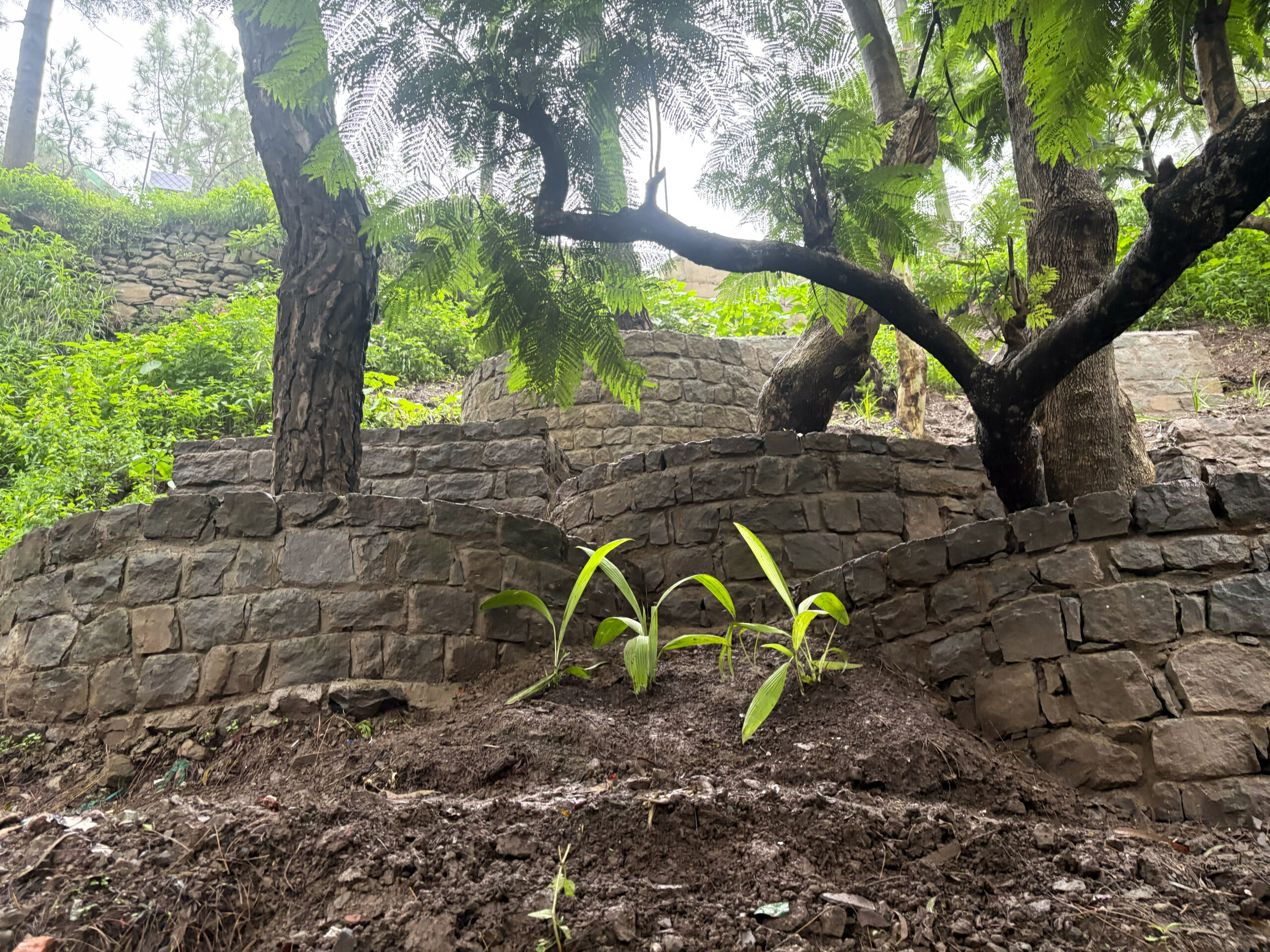
Native trees, shrubs, and flowering plants were introduced across the terraced areas of the valley, selected specifically for their ecological value in the local landscape.
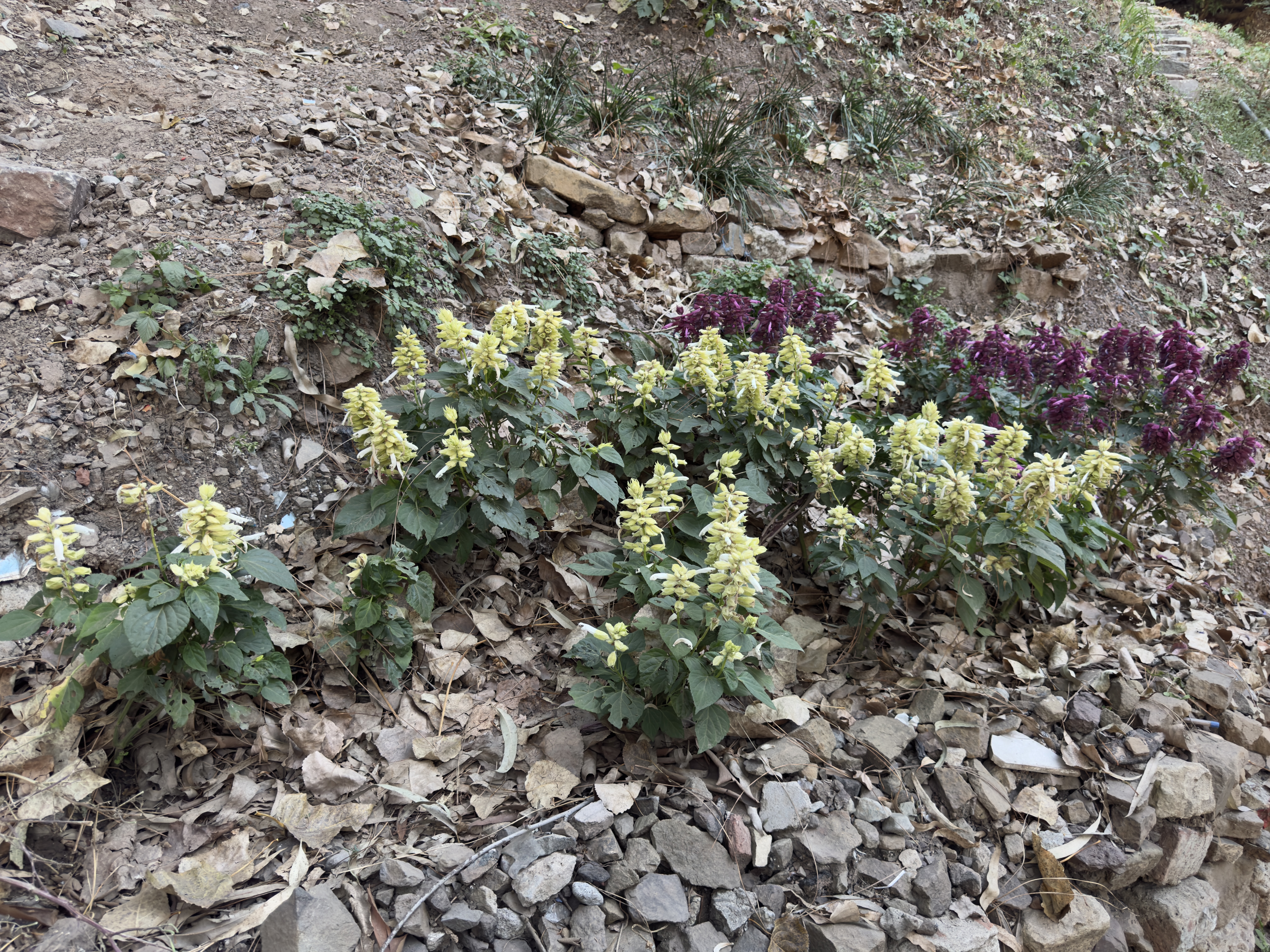
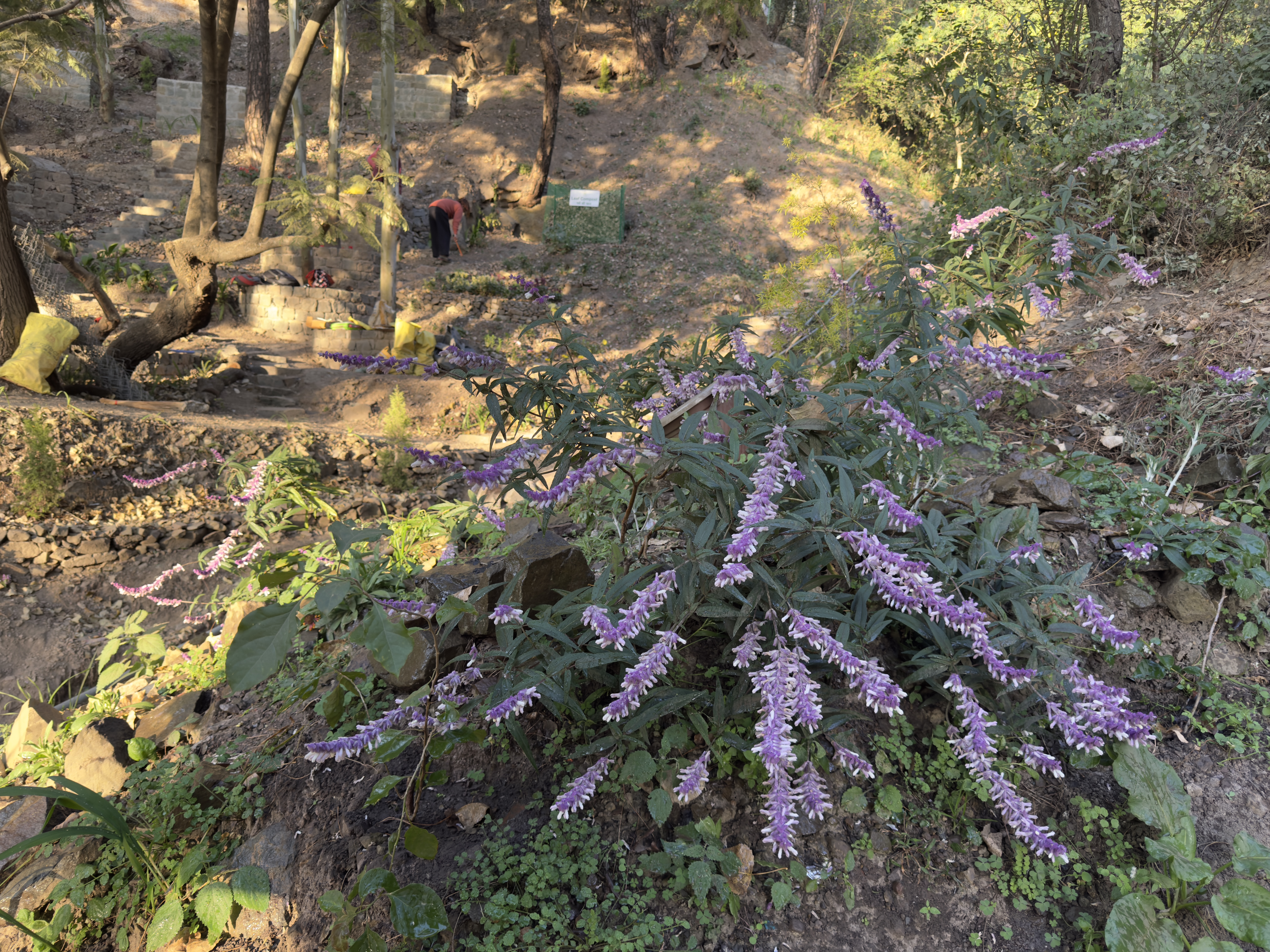
Pollinator-friendly species were given particular emphasis — creating a deliberate refuge and food source for bees and butterflies in a village where natural habitat for these species has been rapidly diminishing.
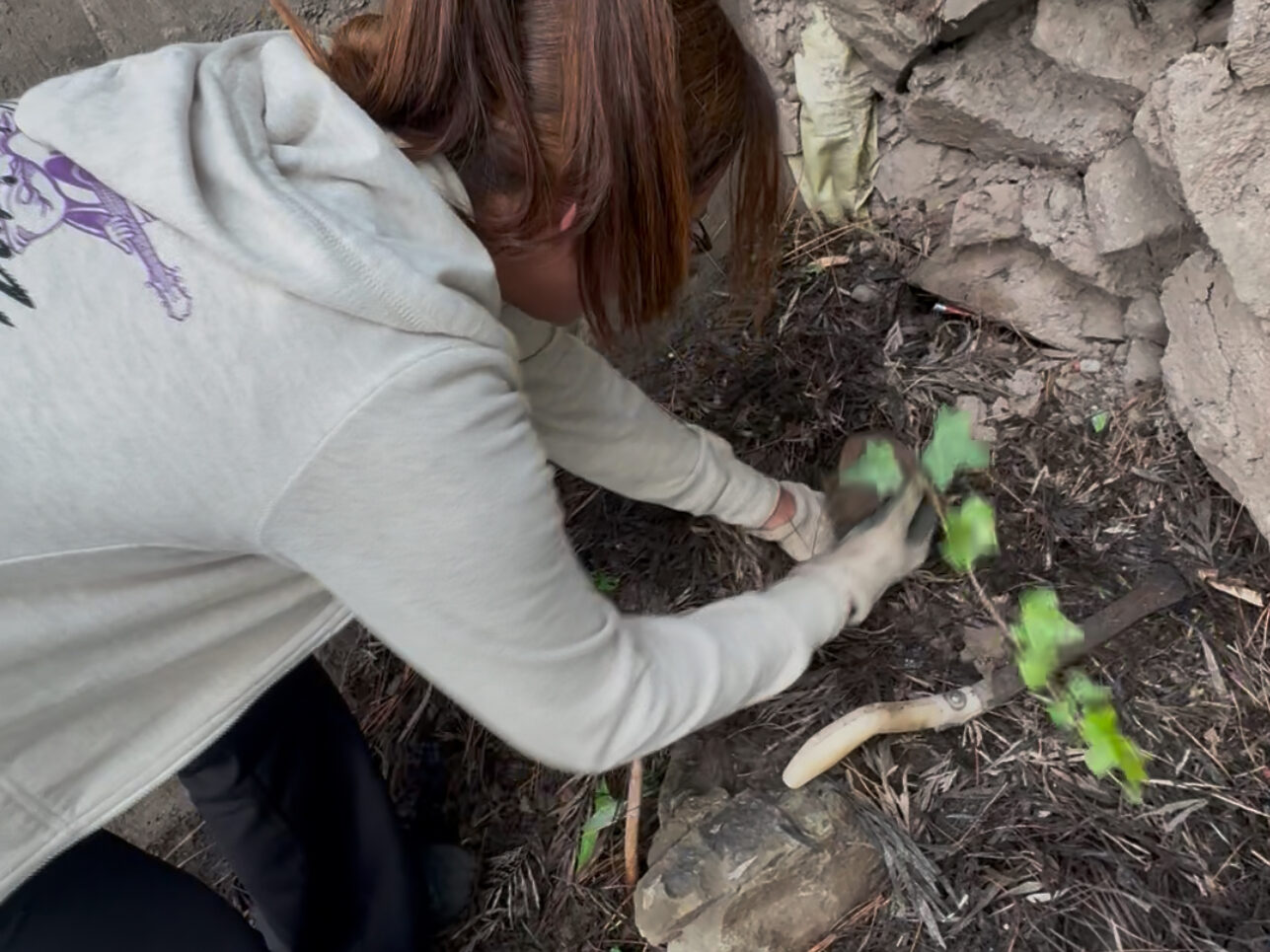
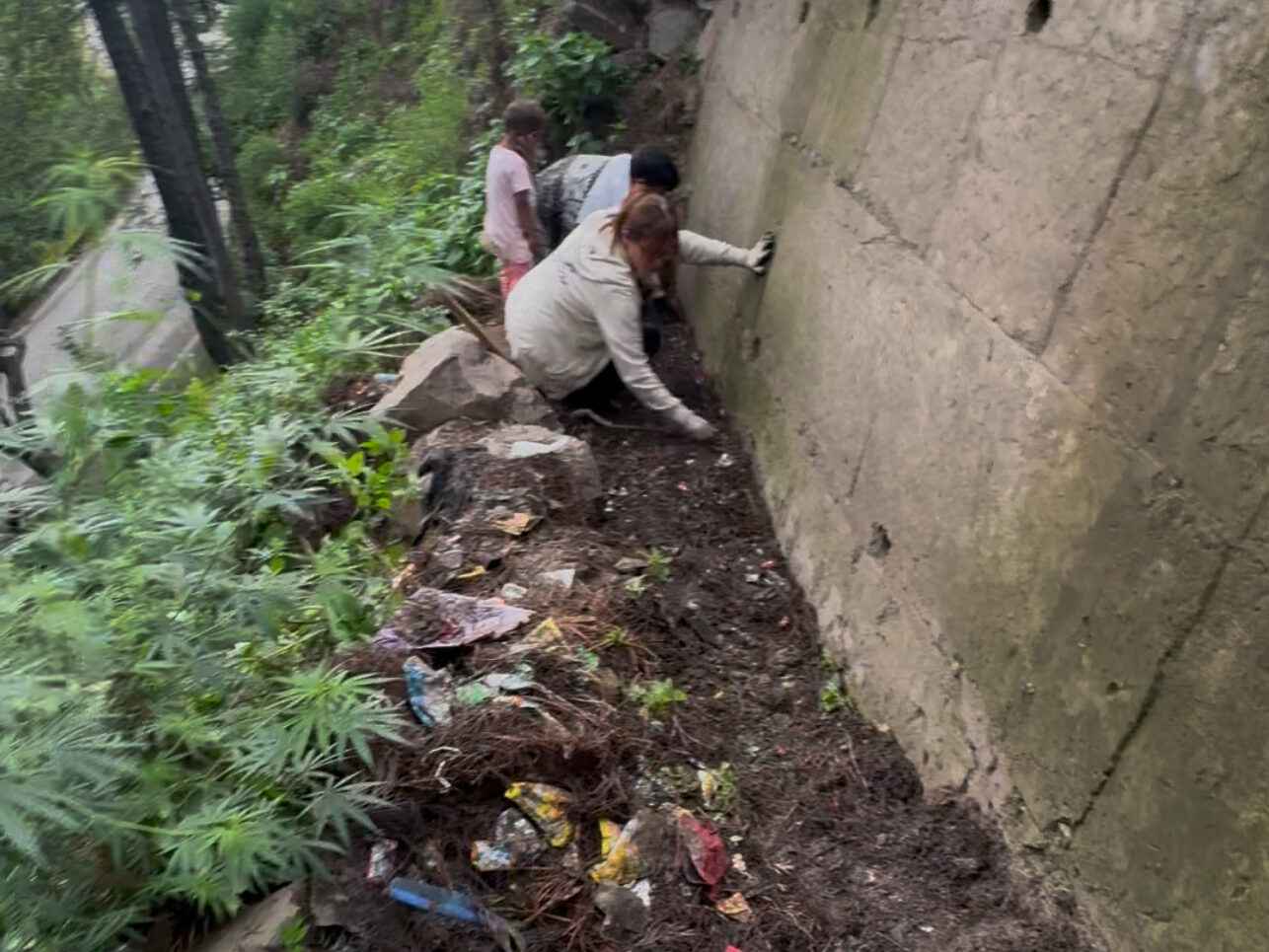
Every plant was placed with care, at appropriate spacing and depth, and watering routines were established and maintained to support establishment through the first critical weeks and months.
The result is a planting scheme that is as ecologically purposeful as it is visually beautiful — alive with colour and movement through the growing season, and growing more self-sustaining with every passing year.
What's next
The plantation is an ongoing commitment. Plants are monitored, supplemented, and cared for through each season, and more species will be introduced as the valley matures and the ecological conditions improve. Chapter 4, Fencing, was the essential next step — protecting the young plantings and giving the entire restoration the security it needed to continue undisturbed.
Before & After